
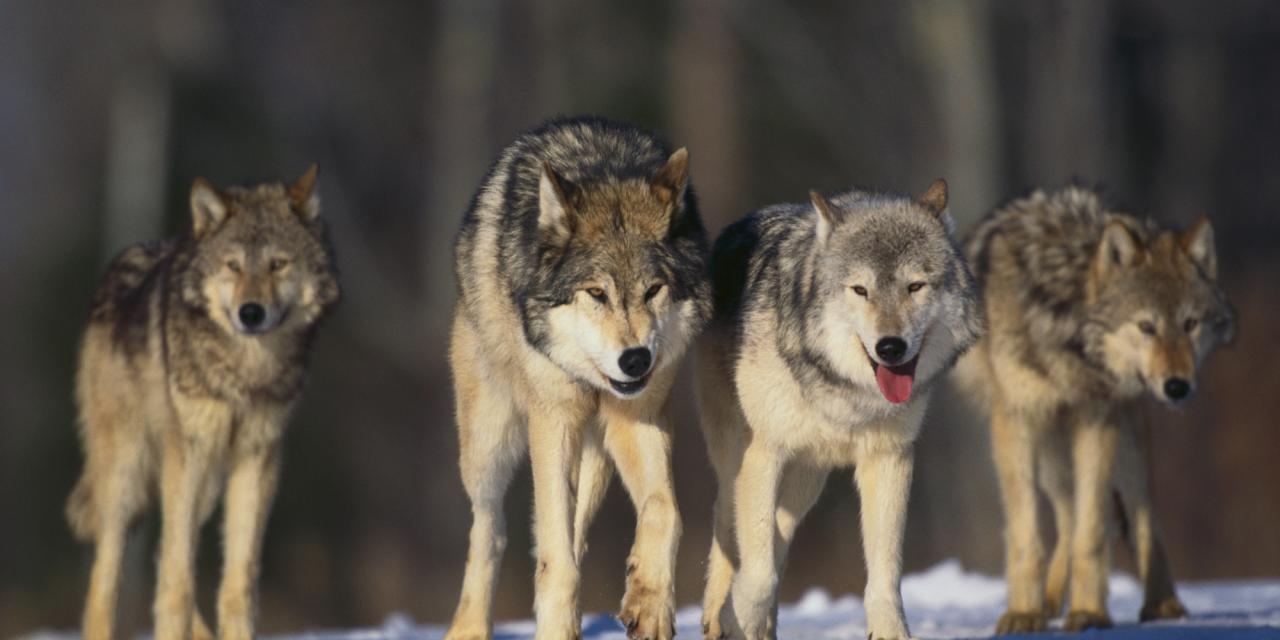
For decades, the howl of the wolf was a ghost sound in many of America’s great wildernesses. Hunted, trapped, and vilified, this apex predator was systematically eliminated from most of its natural range by the early 20th century. The absence of the wolf was not just a loss of a single species; it was a trigger for an ecological collapse that scientists are only now beginning to fully understand. Today, in a dramatic reversal of fortune, wild wolves are reclaiming national park lands, and the results are nothing short of miraculous. Their return has triggered a “trophic cascade” a powerful chain reaction that reaches from the highest predator down to the very plants and rivers. This article explores the profound and unexpected ways these remarkable canines are restoring balance, life, and beauty to one of the world’s most iconic national parks, rewriting our understanding of nature’s interconnected web.
For many years, the narrative of conservation focused on preserving individual charismatic species. However, the story of wolf reintroduction teaches us a far deeper lesson: that true conservation must focus on restoring relationships between species. When wolves were removed, the national park became a place of stark imbalance. Herds of grazing animals, no longer afraid, multiplied unchecked. They devoured young tree saplings, preventing forests from regenerating. Hillsides eroded. Songbirds vanished. Streams widened and grew warm, unable to support cold-water fish. The land fell silent, not because it was empty, but because its heart the fierce, intelligent, and social wolf had been ripped out.
Now, that heart is beating again. The wolf’s return is a living experiment in ecological restoration, and the data is inspiring a new global movement known as “rewilding.” This article will guide you through the historical loss, the step-by-step process of recovery, and the astonishing scientific discoveries that followed. From the behavior of rivers to the diversity of wildflowers, the wolf’s paw print is visible everywhere. We will examine the key players in this drama, the challenges that remain, and the lessons that can be applied to other degraded ecosystems around the world. Prepare to see the wolf not as a villain, but as a master gardener, an engineer of rivers, and a guardian of biodiversity.
The History of Loss: Why the Wolf Disappeared
Understanding the triumphant return requires an honest look at the dark past. The relationship between humans and wolves has always been complicated, rooted in fear, competition, and mythology. From fairy tales like “Little Red Riding Hood” to livestock predation, the wolf was cast as the antagonist in the human story of westward expansion.
A. Government-Sanctioned Extermination: By the late 1800s, the U.S. government actively encouraged the destruction of wolves. The Bureau of Biological Survey, the predecessor to the U.S. Fish and Wildlife Service, distributed poisons like strychnine, offered bounties, and hired professional hunters. Between 1914 and 1926 alone, over 1,500 wolves were killed in just one national park region.
B. Ripple Effects of Removal: The immediate result was a booming population of elk and deer. Without wolves, these herbivores grew bold and numerous. They congregated in valleys and along riverbanks, stripping them bare. Aspen and willow trees, which require time to grow tall, were eaten as soon as they sprouted. This had the following consequences:
C. Landscape Degradation: The loss of trees led to soil erosion. Without deep roots to hold the earth, stream banks collapsed. Rivers became wider, shallower, and warmer, which destroyed the spawning grounds of native trout. Beavers, which depend on willow trees for food and dam-building material, disappeared entirely from many park areas. The ecosystem was a house of cards, and the wolf was the card holding it all up.
By 1926, the last known native wolf pack in the park was destroyed. For nearly 70 years, the land was wolf-less. Generations of park managers accepted this as the new normal, an artificial balance where humans acted as the primary predator through regulated hunting outside the park boundaries. But inside the park, where hunting was forbidden, the overpopulation of herbivores continued to degrade the wilderness.
The Bold Decision: Reintroduction and Its Challenges
The idea of bringing wolves back was not popular at first. Local ranchers feared for their cattle. Hunters worried that wolves would decimate elk herds. Politicians called it a reckless experiment. However, by the 1980s and 1990s, the ecological damage had become impossible to ignore. Elk populations had grown so large that the park’s vegetation was on the brink of collapse. Scientists presented a radical solution: bring back the wolf.
The reintroduction process was meticulous and controversial.
A. Legal Framework: In 1995, after years of environmental impact studies and public hearings, the U.S. Fish and Wildlife Service approved a plan to reintroduce the gray wolf (Canis lupus) into the park under the protection of the Endangered Species Act.
B. Capture and Transport: Biologists captured 14 wolves from healthy populations in Canada specifically from Alberta and British Columbia. These were not zoo animals; they were wild predators with intact social behaviors. They were transported in specialized crates to the park.
C. Soft Release vs. Hard Release: Instead of simply opening the crates, scientists used a “soft release” strategy. The wolves were kept in large, fenced acclimation pens for several weeks. This allowed them to bond with their new surroundings, form stable pack hierarchies, and adjust to the local prey before being set free. This strategy dramatically increased their survival rate.
D. Initial Opposition: The first few years were tense. Ranchers outside the park boundaries sued the government. There were isolated incidents of wolf predation on livestock, leading to controversial lethal removals. Conservation groups worked tirelessly to compensate ranchers for lost animals and to promote non-lethal deterrents, such as range riders and flashing lights.
In 1995 and 1996, a total of 31 wolves were released. No one could have predicted the speed and magnitude of the changes that followed.
The Trophic Cascade: How Wolves Changed Rivers
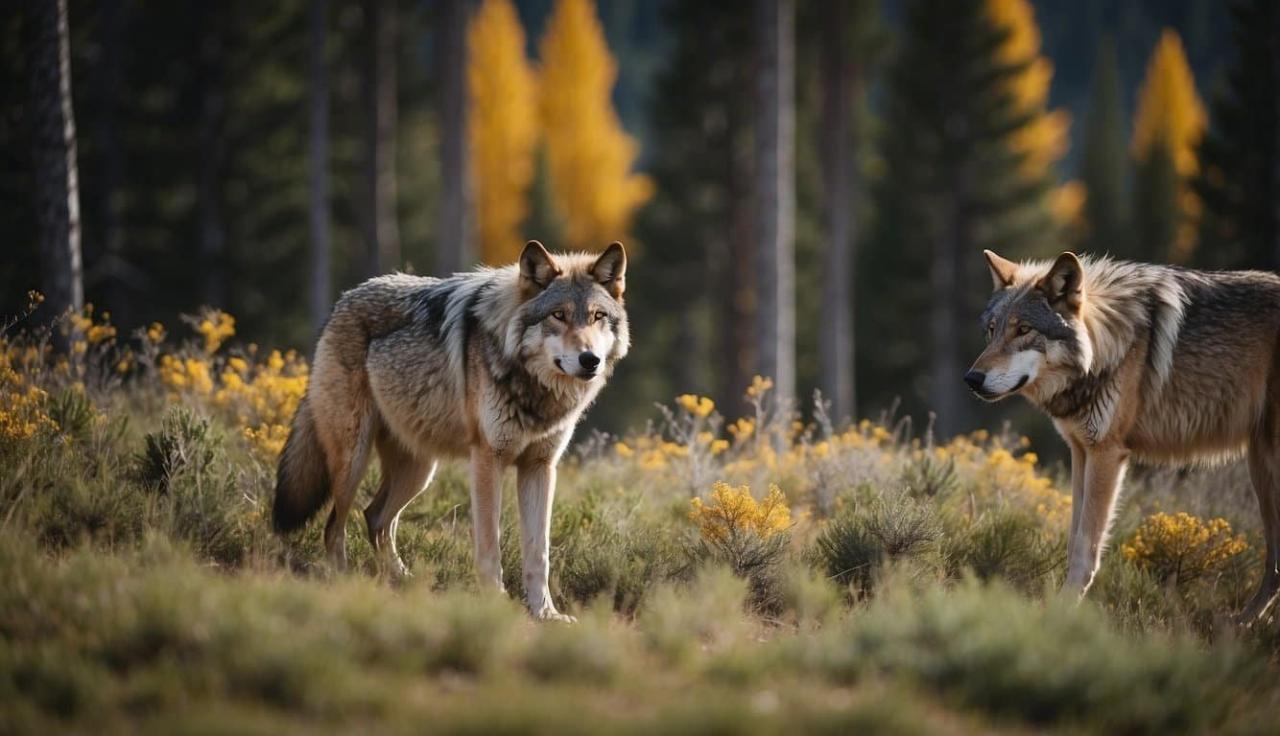
This is the most astonishing part of the story. The return of the wolf did not just reduce the deer and elk populations, though that was important. More significantly, the wolves changed the behavior of their prey. This concept is known as the “ecology of fear.”
When wolves are present, elk and deer cannot stand in one place for hours, leisurely eating every green shoot in sight. They must keep moving, staying vigilant, and avoiding high-risk areas like valleys, riverbanks, and open meadows where wolves can easily ambush them.
Here is the step-by-step cascade:
A. Regeneration of Vegetation: With elk constantly on the move, young aspen, cottonwood, and willow trees finally had a chance to grow. For the first time in seven decades, saplings survived past the seedling stage. The height of willow trees in certain river valleys increased fivefold within just six years.
B. Return of the Songbirds: As the trees grew taller and denser, they created new habitats. Neotropical songbirds warblers, thrushes, and sparrows returned in astonishing numbers. Bird diversity increased by over 30% in regenerated areas.
C. Resurgence of Beavers: Beavers need willows to build dams. With willows returning, beavers recolonized streams that had been empty for decades. Their dams slowed the flow of water, creating ponds and wetlands.
D. Transformation of Rivers: This is the most surprising effect. Beaver dams and regenerating roots stabilized stream banks. Instead of fast, shallow, braided channels of mud, the rivers became deeper, narrower, and more complex. Pools formed where fish could hide. The cooler, shaded water allowed the return of native trout populations. In essence, wolves engineered the physical shape of rivers.
E. Food for Scavengers: Wolves are not efficient eaters. They often leave 20-30% of their kills behind. This leftover meat feeds a host of scavengers: ravens, magpies, bald eagles, golden eagles, coyotes, foxes, bears, and even tiny beetles. One study found that scavengers benefit from wolf kills more than from any other source of carrion in the park.
Current Status of Wolf Packs
As of the most recent survey, the national park is home to approximately 10 to 12 distinct wolf packs, totaling 80 to 110 wolves. This number fluctuates based on prey availability, disease (such as mange and canine distemper), and conflicts with humans outside the park boundary.
Notable Packs and Their Territories
A. The Junction Butte Pack: One of the largest and most visible packs, often seen in the northern range. They are known for their boldness and large litter sizes, frequently producing 8-10 pups annually.
B. The Wapiti Lake Pack: Famous for producing the legendary wolf known as “Wolf 06” or “Spitfire” (who was later killed by a hunter outside the park), this pack remains a stronghold in the central region. They are masters of hunting elk in dense forest.
C. The Mollie’s Pack: This pack is unique because they primarily hunt bison, not elk. Bison are massive, dangerous prey, requiring immense coordination. Their success rate is lower, but the payoff is enormous. They inhabit the more remote, high-elevation plateaus.
D. The Phantom Lake Pack (Newcomers): A newly formed pack that emerged just two years ago, demonstrating that the wolf population is still dynamic and expanding into historical territories.
Each pack maintains a territory of roughly 150 to 300 square miles. They communicate through howling, scent-marking (urinating and defecating on trails), and physical battles at the borders. These territorial disputes are violent but necessary, preventing overpopulation.
The Complexities and Ongoing Controversies
While the ecological benefits are clear, the story is not a simple fairy tale. Wolves remain deeply controversial. A balanced, SEO-optimized article must acknowledge the challenges.
A. Livestock Depredation: Wolves occasionally leave the park to hunt cattle and sheep on private ranchland. This creates intense financial and emotional distress for ranchers. In response, programs now exist that pay ranchers fair market value for confirmed wolf kills. Additionally, “wolf conflict deterrence” teams use non-lethal methods like fladry (colored flags), radio-activated guard boxes (which play human sounds), and livestock guardian dogs.
B. Impact on Elk Hunters: Outside the park, in the surrounding national forests, elk numbers have dropped. This is a natural correction from the previous overpopulation, but it frustrates trophy hunters who pay thousands of dollars for hunting tags. Wildlife agencies have therefore reduced the number of elk hunting licenses available, balancing predator recovery with hunting traditions.
C. Genetic Isolation: With the park surrounded by human development and highways, wolf packs face a risk of genetic inbreeding. To solve this, wildlife corridors are being proposed wildlife overpasses and underpasses that allow wolves to travel safely between protected areas.
D. The Legal Battle Continues: Wolves have been removed from and then re-added to the Endangered Species list multiple times. Each time they are “delisted,” states gain authority to hold public wolf hunts. These hunts often target wolves that wander just outside the park boundary, leading to the death of famous, collared research wolves. This remains the single greatest threat to the long-term recovery.
Lessons for Global Rewilding
The success of the wolf reintroduction has inspired similar projects worldwide. Here is what the world has learned:
A. Apex predators are ecosystem engineers. Just as corals build reefs and beavers build ponds, wolves build entire food webs. Reintroducing a single keystone species can have more positive impact than planting a million trees.
B. Human tolerance is the limiting factor. The science works. The biology works. The only real obstacle is human politics and fear. Successful rewilding requires robust community engagement, compensation funds, and public education.
C. Ecosystems can recover quickly. The most hopeful lesson is that nature is resilient. Within 10 to 20 years of wolf reintroduction, rivers changed course, birds returned, and forests regrew. It is never too late to restore a wild place.
D. Similar projects are underway: In Scotland, scientists are discussing reintroducing the lynx. In Colorado, voters narrowly approved a ballot measure to reintroduce wolves starting in 2024. In Japan, the extinct Hokkaido wolf is being considered for resurrection.
How You Can Support Wolf Conservation
The future of wolves depends on informed, engaged citizens. If you wish to support their continued recovery, here are actionable steps:
A. Visit and Support National Parks. Your entrance fees and donations directly fund wildlife research, park rangers, and wolf tracking programs.
B. Support Conservation Organizations. Groups like the Wolf Conservation Center, the Yellowstone Forever Institute, and Defenders of Wildlife run wolf education and conflict-reduction programs.
C. Promote Coexistence. If you live in wolf country, secure your livestock, use motion-activated lights, and keep pets inside at night. If you are a hiker or camper, practice bear-aware principles they work for wolves too.
D. Advocate for Wildlife Corridors. Contact your elected representatives to support funding for wildlife overpasses and underpasses on major highways. These structures save wolves, deer, and even drivers’ lives.
E. Learn to Listen. Plan a trip to a national park known for wolves. Wake up before dawn, find a quiet valley, and simply listen. The howl of a wolf is not a sound of terror; it is the sound of a healthy land healing itself.
Conclusion: The Howl of Hope
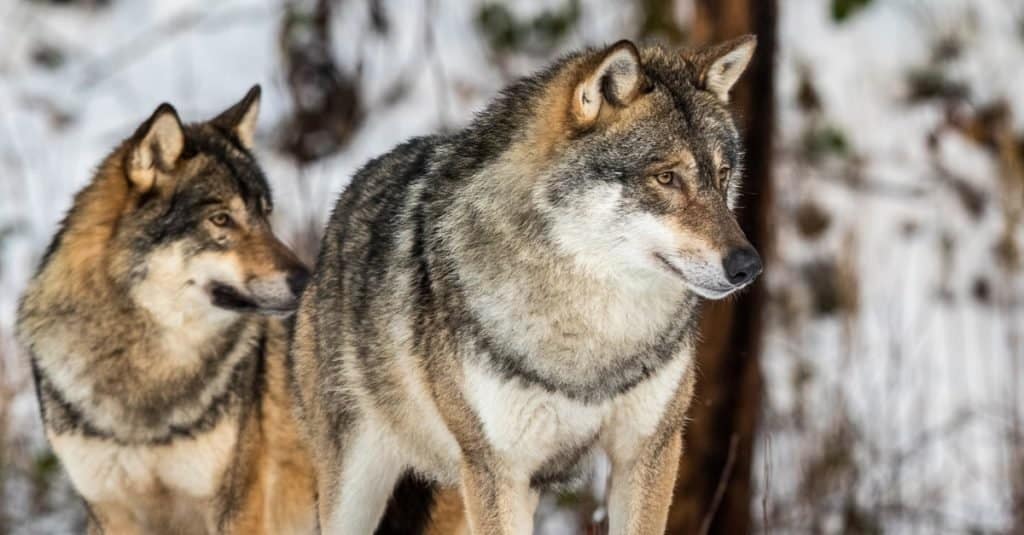
The story of wild wolves reclaiming a national park is, at its core, a story of hope. It is a powerful refutation of the idea that nature is fragile and doomed. It proves that with courage, science, and patience, we can reverse the damage of centuries. The wolves did not just return to the park; they returned the park to itself. They gave the rivers their meander, the trees their height, the birds their melody, and the beavers their purpose.
There is an ancient lesson in this. Indigenous peoples have always understood the wolf as a teacher and a relative. The wolf teaches us about family, about cooperation, about the discipline of the hunt, and about the sacred balance between life and death. Now, modern Western science has finally caught up to that ancient wisdom. The wolf is not a waste of space. The wolf is a necessity.
As you finish this article, look beyond the headlines of climate change and extinction. Look at this one success story. Let the howl of the wolf echo in your ears, not as a warning, but as a promise: that wildness can be reclaimed, that imbalances can be corrected, and that any national park any forest, any backyard can be made whole again. The wolves are back. And with them, hope has found its voice.