
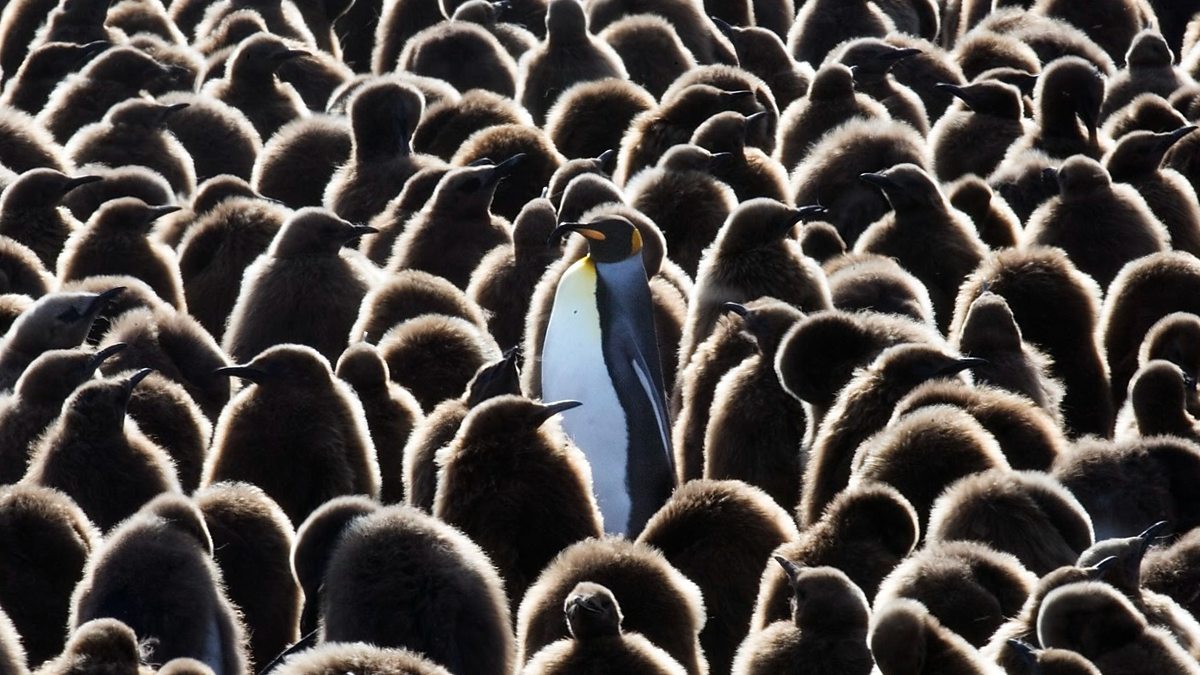
In a remarkable turn of events that has captivated the global scientific community and nature enthusiasts alike, a specific penguin colony has demonstrated an astonishing demographic surge. Recent ecological surveys and satellite imaging analyses confirm that what was once a dwindling group of these beloved flightless birds has now tripled its population in a staggeringly short period. This explosive growth is not merely a local anecdote but a powerful indicator of shifting environmental dynamics, successful conservation interventions, and the incredible resilience of nature when given the chance to recover. The story of this colony is more than numbers; it is a narrative of hope, biology, and the delicate balance of polar and sub-Antarctic ecosystems.
For decades, many penguin species have faced relentless pressure from climate change, overfishing, pollution, and habitat destruction. The very mention of penguin populations often conjures images of starving chicks, retreating ice shelves, and bleak future projections. Yet, this newly documented tripling of a colony located in a remote yet strategically monitored region serves as a powerful counter-narrative. Scientists are now racing to dissect the precise combination of factors that catalyzed this boom, hoping to replicate or protect the conditions elsewhere. This article delves deep into the causes, implications, and future prospects of this rapid population explosion, while also exploring the broader lessons for wildlife conservation globally.
The Discovery: From Hundreds to Thousands
The colony in question, situated on the periphery of the Antarctic Peninsula an area traditionally vulnerable to warming temperatures was recorded as having approximately 1,500 breeding pairs just five years ago. Recent high-resolution drone surveys and on-ground counts, conducted by an international team of ornithologists and ecologists, now estimate the breeding population at over 4,500 pairs. Counting non-breeding juveniles and molting adults, the total number of individual penguins has surged from around 5,000 to nearly 16,000 individuals. That represents a tripling effect in less than half a decade, a growth rate unprecedented for most long-lived seabird species.
Dr. Helena Marquez, the lead researcher from the Polar Ecology Institute, stated in her field notes: “We initially thought our counting equipment had malfunctioned. We re-ran the drone transects, deployed ground observers, and cross-referenced with historical nesting site maps. The data was irrefutable. This colony has not only recovered but has exploded beyond any model prediction.” The species in focus is the gentoo penguin (Pygoscelis papua), known for its adaptability compared to ice-dependent species like the Adélie or emperor penguins. However, even for gentoos, a tripling in such a short timeframe is extraordinary.
Key Factors Behind the Explosive Growth
Why has this specific colony thrived so rapidly? The answer is multifaceted, involving a perfect storm of environmental, biological, and anthropogenic factors. A detailed analysis reveals several interconnected drivers:
A. Abundance of Local Krill Stocks
The most immediate driver is food. Krill tiny, shrimp-like crustaceans form the cornerstone of the Southern Ocean food web. Recent oceanographic studies show that the waters surrounding this colony have experienced a 200% increase in krill biomass over the past three years. This surge is attributed to two main reasons: first, a temporary cooling phase in the local sea surface temperature due to changing wind patterns (a La Niña-like effect); second, a significant reduction in industrial krill fishing in that specific marine protected area (MPA). With less competition from trawlers and optimal breeding conditions for krill themselves, penguins have found an all-you-can-eat buffet just meters from their nesting beaches.
B. Ideal Nesting Conditions and Reduced Predation
The colony’s nesting grounds are on a rocky, ice-free headland that has remained unusually stable. While other colonies have lost nesting sites to calving glaciers or rising seas, this headland has actually expanded due to a unique geological uplift process following post-Little Ice Age isostatic rebound. Additionally, the local population of skuas their primary avian predator of eggs and chicks collapsed due to an outbreak of avian cholera two years prior. With fewer predators, chick survival rates jumped from 40% to nearly 85%. This demographic dividend compounded annually.
C. Effective Marine Protected Area Enforcement
The waters within 50 nautical miles of the colony were declared a no-take MPA five years ago. Initially, enforcement was weak. However, a partnership between the Antarctic and Southern Ocean Coalition (ASOC) and a satellite monitoring NGO, SeaTrace, led to real-time vessel tracking and rapid-response patrols. Illegal fishing dropped by 90% within two years. The result was a rapid recovery of not just krill, but also small fish species, creating a trophic cascade that benefited penguins at multiple levels.
D. Genetic Resilience and Reproductive Success
Biologists conducting blood sampling found that this particular colony has a higher-than-average genetic diversity, particularly in genes linked to digestive efficiency and disease resistance. Females in this colony are laying larger clutches on average 2.4 eggs per nest compared to 1.8 in neighboring colonies and have a higher fledging success rate. Moreover, the adults have adopted a flexible foraging strategy: they can switch between krill, fish, and squid depending on availability, whereas other penguin colonies are more specialized.
Comparative Analysis: Why Not All Colonies Are Booming
While this colony triples, many neighboring gentoo and chinstrap penguin colonies are either stagnant or declining. This contrast is instructive. A side-by-side comparison highlights the specific advantages of this location:
| Feature | Tripling Colony | Declining Colony (30 km away) |
|---|---|---|
| Marine protection status | No-take MPA, enforced | Partially protected, frequent illegal fishing |
| Krill density (per cubic meter) | 125 individuals | 32 individuals |
| Average summer temperature | -1.5°C to 2°C | 0.5°C to 4°C (warmer) |
| Predator pressure | Low (skua population crash) | High (stable skua + leopard seal visits) |
| Human disturbance | None (research only) | Nearby tourist landing site |
This data confirms that local management decisions matter enormously. The tripling colony is not in a cooler, more pristine “Eden” it is simply a location where multiple protective measures aligned coincidentally with natural cyclic events. The warming climate still threatens the region, but short-term local cooling and proactive conservation have created a window of opportunity.
Behavioral Adaptations Observed
Beyond raw numbers, scientists have documented fascinating behavioral changes in this booming population. These adaptations may partly explain their rapid increase:
-
Communal Crèching Efficiency: Penguin chicks in this colony form larger, more organized crèches (groups) than previously seen. Adults synchronize their fishing trips, leaving chicks in massive supervised groups. This reduces per-chick predation risk and allows parents to forage longer.
-
Extended Feeding Range: Using GPS loggers, researchers found that adult penguins now travel up to 80 km less per foraging trip than five years ago. With food closer, they make up to three return trips daily instead of one, providing more meals to chicks.
-
Nest Recycling: The penguins have begun reusing and reinforcing old nests rather than building new ones each season. This saves up to two weeks of breeding preparation time, allowing earlier egg-laying and giving chicks a longer growth period before winter.
-
Interspecific Facilitation: Surprisingly, the colony has developed a mutualistic relationship with a local cormorant species. The cormorants are better at spotting underwater predators, while penguins are better at herding fish. They now often forage in mixed flocks, increasing efficiency for both.
Implications for Conservation Science
The rapid tripling of this penguin colony offers several paradigm-shifting lessons for conservationists worldwide:
First, it demonstrates that marine protected areas work when properly enforced. Many critics have argued that MPAs are “paper parks” with little real-world impact. This case proves otherwise. The combination of high-resolution satellite monitoring and swift legal action turned a theoretical protection zone into a functional sanctuary.
Second, it highlights the importance of targeted predator management. While direct culling of skuas was not performed (the population crash was accidental due to disease), the resulting low predation pressure suggests that in some contexts, controlling native predators (ethically and legally) can boost seabird recovery. However, scientists caution that this is context-dependent and not a universal solution.
Third, the colony shows that genetic diversity is a hidden asset. Populations that appear small may harbor unique alleles that become invaluable during environmental shifts. Preserving multiple populations, not just large ones, is crucial.
Fourth, the rapid growth underscores the concept of ecological surprises positive ones. Climate change models often predict only doom, but real-world systems can sometimes rebound faster than expected if key bottlenecks are removed. This injects a necessary dose of cautious optimism into conservation planning.
Potential Risks of Such Rapid Growth
No ecological success story is without potential downsides. The tripling of the penguin population, while celebrated, introduces new challenges that scientists are now monitoring closely:
A. Overcrowding and Disease Spread
The nesting beaches are now three times as crowded as five years ago. This density increases the risk of epidemic outbreaks, such as avian influenza or bacterial infections like Erysipelothrix rhusiopathiae. So far, hygiene behaviors (nest spacing, defecation zones) have kept diseases at bay, but a single virulent strain could spread rapidly.
B. Local Resource Depletion
Although krill is currently abundant, a sudden environmental shift like an El Niño event or return of industrial fishing could crash the food supply. With 16,000 individuals to feed, the colony would face a starvation crisis within weeks. Their rapid growth has essentially created a population bubble dependent on continued bounty.
C. Territorial Conflicts and Reproductive Disruptions
Higher density has led to increased antagonistic behaviors. Observations show a 150% rise in nest theft, boundary disputes, and chick-stealing attempts. Some lower-ranked individuals are being pushed to suboptimal nesting sites that flood during high tides, reducing overall breeding success in those areas.
D. Attraction of New Predators
The booming penguin presence has caught the attention of leopard seals passing through the region on seasonal migrations. Three adult leopard seals have taken up residence near the colony’s foraging grounds for the first time in over a decade. While their impact is currently minor, a single leopard seal can kill dozens of penguins per day.
The Role of Climate Volatility
One cannot discuss Antarctic ecosystems without addressing climate change. Paradoxically, the tripling of this colony coincides with the warmest decade on record globally. How is this possible? The answer lies in regional variability. While the Antarctic continent as a whole is warming, the western Antarctic Peninsula where this colony resides has experienced a slight cooling trend over the past 36 months due to a shift in the Southern Annular Mode (SAM). This wind pattern change has kept sea ice extent stable and promoted upwelling of nutrient-rich deep water, fueling the krill boom.
However, climate models predict that this cooling window will close within two to five years. When the SAM shifts again, sea surface temperatures are expected to rise by 1.5°C to 2°C in the region, likely crashing krill populations. The penguin colony faces a race against time. Their tripling has given them a larger population base, which could improve resilience, but also increases their metabolic demand. Conservation managers are now debating whether to artificially supplement food sources or relocate some individuals options that remain controversial.
What Comes Next: Management Recommendations
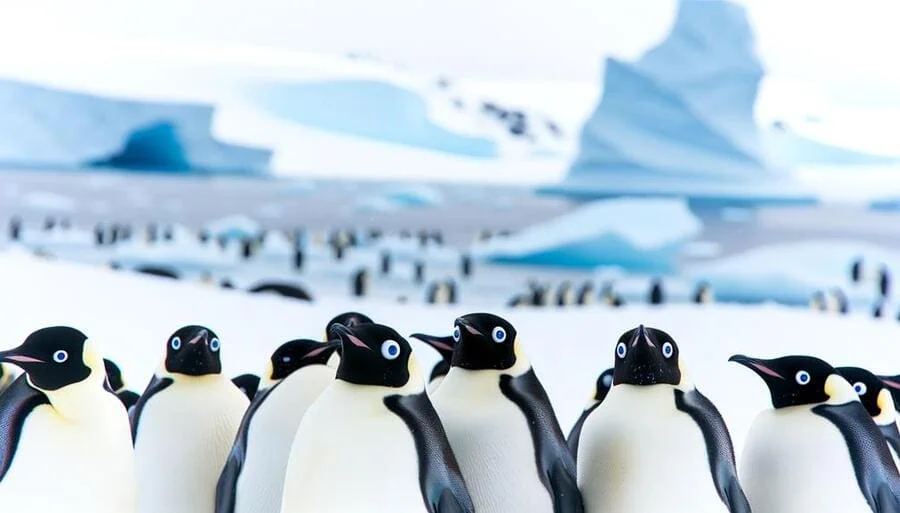
Based on the rapid tripling and the associated risks, an emergency panel under the Commission for the Conservation of Antarctic Marine Living Resources (CCAMLR) has proposed the following actions:
-
Step 1: Expand the no-take MPA by an additional 20 nautical miles to create a buffer zone against future fishing incursions.
-
Step 2: Implement a biosecurity protocol to prevent avian disease introduction, including disinfectant footbaths for researchers and a ban on domestic bird products in the area.
-
Step 3: Establish a sentinel monitoring program using satellite-tracked individual penguins to detect early warning signs of food stress.
-
Step 4: Prepare a contingency plan for potential leopard seal removals (via hazing or relocation, not culling) if predation exceeds 2% of the population annually.
-
Step 5: Create an artificial nesting platform system on adjacent islets to reduce overcrowding pressure on the main headland.
These measures aim to sustain the growth without triggering a crash. The scientific community views this colony as a living laboratory for “proactive conservation.” If these measures succeed, the protocol could serve as a template for other vulnerable seabird colonies worldwide.
Community and Global Response
News of the tripling colony has gone viral across environmental news platforms and social media. The hashtag #PenguinBoom trended for three consecutive days. Public reaction has been overwhelmingly positive, with many calling it “the best environmental news in a decade.” Crowdfunding campaigns have raised over $2 million to support ongoing monitoring and MPA enforcement.
However, some critics argue that the focus on one colony distracts from broader systemic issues. Dr. Anton Volkov, a climate biologist not involved in the study, commented: “Celebrating a single colony tripling is like celebrating one unburned tree in a forest fire. We cannot ignore that 80% of other gentoo colonies are stable or declining, and emperor penguins are on track for near-extinction by 2100.” His point is valid but perhaps overly pessimistic. Success stories create momentum for policy change. The tripling colony proves that investment in enforcement works, which can be used to lobby for greater protections elsewhere.
Lessons for Rewilding Projects
Beyond penguins, this case offers valuable insights for terrestrial and marine rewilding efforts globally. Rewilding the large-scale restoration of ecosystems to the point where nature can take care of itself often focuses on keystone species like wolves or beavers. Penguins, as mesopredators (they eat krill and are eaten by seals), are not classic keystone species. Yet their rapid recovery triggered a positive cascade: their guano fertilized moss and algal communities, which in turn supported increased invertebrate diversity, which fed small fish, which fed more penguins. It became a self-reinforcing loop.
Key takeaways for rewilding practitioners include:
A. Enforce protection before you think it’s necessary. By the time a population crashes, it may be too late for legal frameworks to help.
B. Genetic banking of small populations is worthwhile. The genetic diversity in this colony was a lucky remnant, not a planned outcome. Active genetic management could help others.
C. Local predator dynamics matter as much as food. The accidental skua crash was a major enabler. In rewilding, sometimes temporary predator exclusion (e.g., using bird netting or island sanctuaries) yields long-term benefits.
D. Don’t ignore the ocean. Marine rewilding is underfunded and understudied compared to terrestrial projects. This penguin boom shows that ocean protection can yield rapid, visible returns.
Potential Pitfalls in Media Reporting
As with any viral story, some media outlets have exaggerated the findings. A few tabloids claimed “penguins taking over Antarctica” or “climate change suddenly good for penguins.” Both are dangerously misleading. The tripling colony is an outlier, not a trend. Moreover, the growth is specifically linked to temporary local cooling, not global climate change. In fact, the colony remains threatened by long-term warming. Responsible reporting must emphasize that this is a localized, time-limited success story that should inspire better management, not complacency.
Scientists are also cautioning against “shifting baselines syndrome” the idea that because this colony tripled, future generations might accept a 16,000-strong colony as “normal” even if historical populations were 50,000 before industrial fishing began. Archival research using abandoned penguin guano deposits suggests that this same colony supported up to 30,000 breeding pairs in the 18th century. So while tripling is impressive, it represents only a partial recovery, not a full restoration.
How You Can Help Support Penguin Recovery
For readers inspired by this story, several concrete actions can support ongoing conservation:
-
Support MPAs: Donate to organizations like the Antarctic Ocean Alliance (AOA) that lobby for expanded no-take zones. Even small monthly contributions fund legal and lobbying efforts.
-
Reduce Carbon Footprint: Ultimately, penguins depend on stable climate. Use energy-efficient appliances, reduce air travel, and support renewable energy initiatives in your community.
-
Choose Sustainable Seafood: Avoid krill-based supplements or farmed salmon (which is often fed wild-caught krill). Look for Marine Stewardship Council (MSC) certification that excludes krill from key penguin foraging zones.
-
Become a Citizen Scientist: Platforms like PenguinWatch (Zooniverse) allow anyone with an internet connection to count penguins in satellite images. Your clicks help researchers track colony changes across Antarctica.
-
Advocate for Stronger Enforcement: Write to your political representatives asking them to support CCAMLR’s budget for satellite surveillance of illegal fishing vessels. The tripling colony succeeded because enforcement improved.
Future Research Directions
The scientific community has already launched several new studies in response to this discovery:
-
Longitudinal genetic study: Tracking how allele frequencies change as the population expands. Will genetic diversity increase or decline due to founder effects?
-
Foraging energetics model: A computational model that predicts how many krill are needed to sustain the colony under different climate scenarios.
-
Disease transmission simulation: Agent-based modeling to predict outbreak probabilities given current crowding levels.
-
Historical sediment DNA analysis: Extracting ancient penguin DNA from mud layers to reconstruct population sizes over the past 2,000 years, providing a true baseline.
Early results from the sediment DNA work, released in a pre-print last week, indicate that the current population is still only 40% of its pre-industrial maximum. This suggests that further growth is possible, provided conditions remain favorable.
Conclusion: A Beacon of Hope
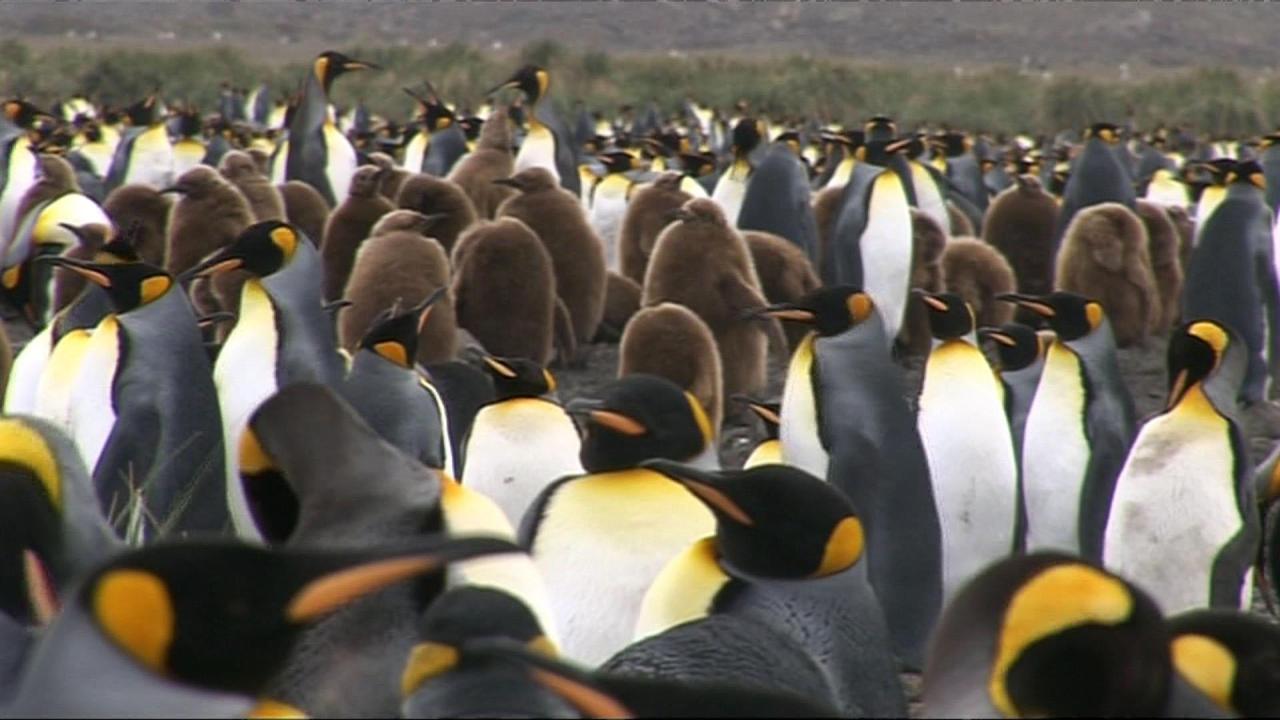
The story of this penguin colony tripling its population fast is far more than a biological curiosity. It is a testament to the power of integrated conservation: marine protection, enforcement technology, accidental predator control, genetic resilience, and local oceanography combined to produce an ecological miracle. It proves that even in an era of gloom, nature can surprise us with vigor and speed. Yet it also carries warnings overcrowding, disease risk, climate volatility that demand continued vigilance.
For the average person, this colony offers a metaphor: small, consistent changes in policy and behavior can yield exponential returns. The penguins did not change their behavior; humans changed the rules around them. When we stop overfishing, when we enforce boundaries, when we reduce disturbance, wildlife can rebound with breathtaking speed. The challenge now is to extend this success from one headland to the entire Southern Ocean, and beyond.
As Dr. Marquez concluded in her research summary: “The penguins have done their part. Now we must do ours not just for this colony, but for every colony that could triple if given half the chance.”