

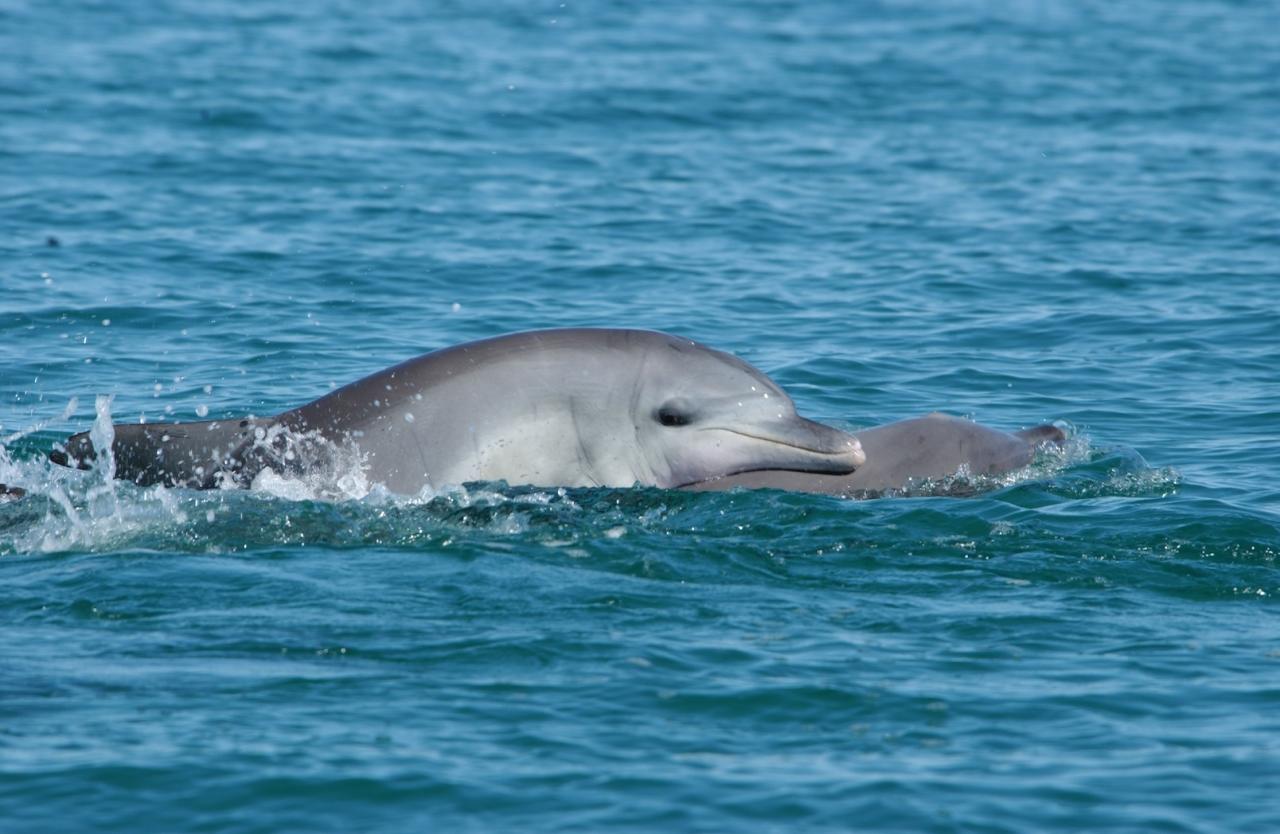
In a groundbreaking development that has captured the attention of marine biologists and political ecologists alike, a highly organized dolphin clan has officially formed a strategic political alliance with neighboring marine groups. This unprecedented move marks a significant shift in how we understand animal social structures, cooperation, and even what could be described as “governance” in the wild. The alliance, observed over a period of three years in the deep blue waters off the coast of Western Australia, demonstrates not only the cognitive sophistication of dolphins but also the emerging complexity of interspecies relationships in the animal kingdom.
For decades, scientists have documented dolphins as playful, intelligent, and social creatures. However, the recent formation of a formal political coalition suggests that their societal organization may be far more advanced than previously imagined. This article explores the intricate details of this alliance, the key players involved, the driving factors behind the decision, and the potential ecological and evolutionary implications. By the end, you will understand why this event is not merely an animal behavior curiosity but a transformative moment in wildlife political ecology.
A. Understanding the Dolphin Clan Structure
Before diving into the political alliance itself, it is essential to comprehend how dolphin clans are typically organized. Dolphins live in complex social networks known as fission-fusion societies, where group composition changes frequently based on need, preference, and environmental conditions.
-
Basic Social Units: The smallest unit is the mother-calf pair, which forms the foundation of dolphin society. These pairs often associate with other females and juveniles to form nursery groups.
-
Pod Formation: Multiple family units come together to form pods consisting of 10 to 30 individuals. Pods are usually stable over years and share a common home range.
-
Clan Level: When several pods share a similar vocal repertoire and cultural behaviors such as foraging techniques or play styles they form a clan. Clans can include hundreds of dolphins and last for generations.
-
Super-Alliance: In rare cases, especially among male dolphins, multiple clans may form temporary super-alliances for mating or territorial defense. However, the recent political alliance described here goes far beyond temporary cooperation.
The clan involved in this political shift, known to researchers as the “Blue Current Clan,” has been under observation since 2018. This clan comprises approximately 240 Indo-Pacific bottlenose dolphins (Tursiops aduncus), known for their large brains, complex communication systems, and tool use.
B. Key Members of the Political Alliance
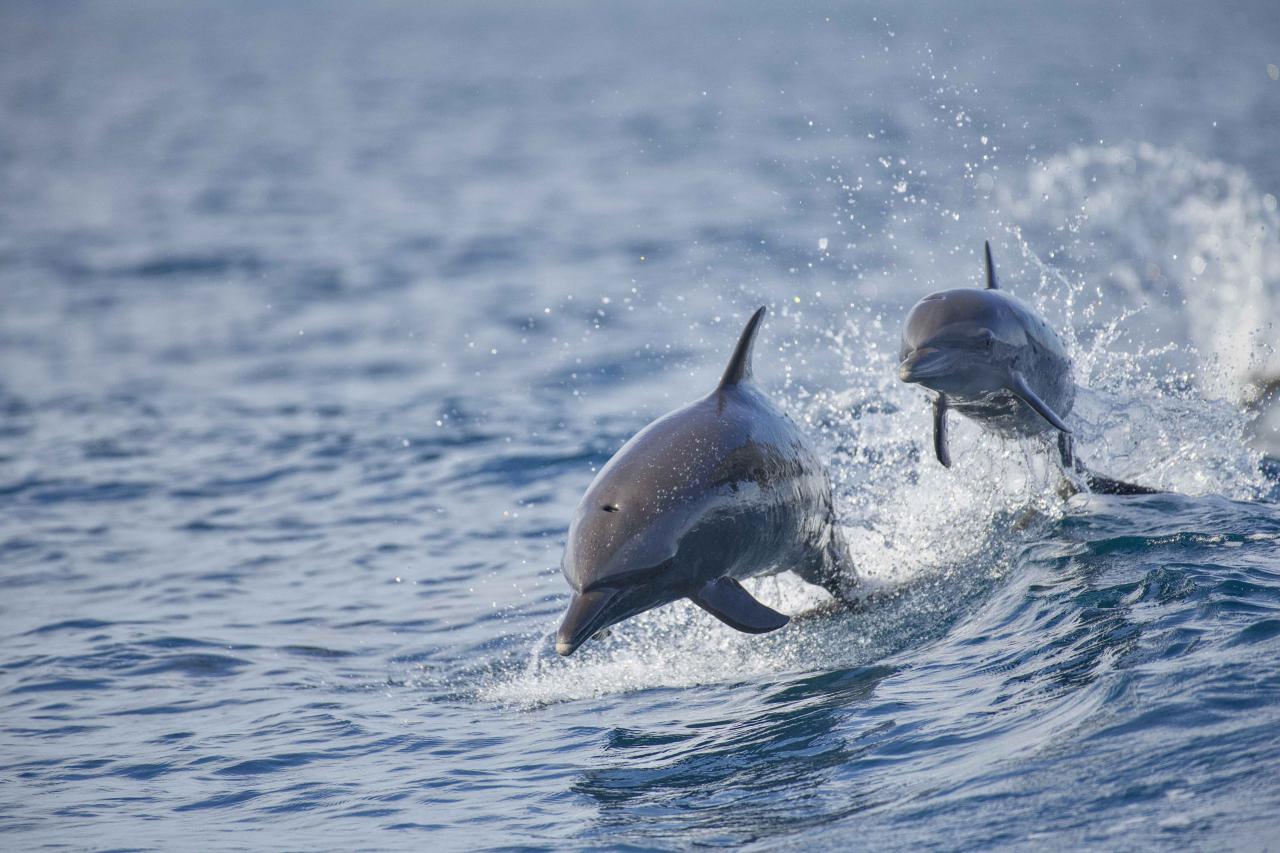
The newly formed alliance is not limited to a single species. For the first time, researchers have documented a formalized coalition between the Blue Current Dolphin Clan and two other distinct marine groups: the Long-Beaked Common Dolphin Tribe and a resident population of Australian humpback dolphins. Below are the primary participants:
-
A. Blue Current Dolphin Clan (BCDC): The initiator of the alliance. They possess the highest observed social intelligence and have demonstrated strategic planning in foraging and predator evasion.
-
B. Long-Beaked Common Dolphin Tribe (LBCDT): A nomadic group of approximately 180 individuals. They are known for their speed and long-range communication skills, often traveling up to 80 kilometers per day.
-
C. Australian Humpback Dolphin Group (AHDG): A smaller but highly territorial group numbering around 65 dolphins. Their strength lies in defending specific coastal nursery lagoons against threats such as sharks and human disturbance.
The alliance agreement, as interpreted by ethologists, includes mutual defense pacts, shared foraging territory during specific seasons, and coordinated communication networks across their combined home ranges, which now span over 1,200 square kilometers.
C. Reasons Behind the Political Shift
Why would distinct dolphin groups with different social structures and hunting strategies suddenly decide to form a political alliance? Researchers have identified five primary driving factors:
A. Increased Predator Pressure: Over the past five years, the local population of tiger sharks (Galeocerdo cuvier) has risen by nearly 40% due to warming ocean temperatures. This apex predator targets juvenile dolphins specifically. By forming an alliance, the clans can now mount collective defense strategies, including mobbing behavior, where dozens of dolphins surround and harass sharks until they retreat.
B. Competition for Depleting Food Resources: Overfishing by commercial trawlers has reduced the availability of key prey species such as mullet, sardines, and herring. The three groups previously competed for the same shrinking resources. The political alliance allows them to implement a rotational foraging system one group hunts a specific zone while others rest, then they rotate, ensuring no single area is overexploited.
C. Human Activity Disruption: Coastal development, sonar exercises, and increased boat traffic have fragmented traditional dolphin territories. The alliance enables the groups to share real-time information about dangerous zones, safe passages, and times of low human activity. Researchers have documented coordinated “silent swimming” protocols when navy sonar is detected.
D. Reproductive Benefits: Genetic analysis of fecal samples collected near the alliance region shows that interbreeding between the groups has become more common. Political cooperation reduces intergroup aggression, allowing males from different clans to mate with females outside their immediate pod. This increases genetic diversity and resistance to diseases.
E. Climate Change Migration: Rising sea temperatures have shifted the distribution of prey. The alliance allows all three groups to extend their migratory range without fear of attack by other dolphins. Previously, entering another clan’s territory could result in violent skirmishes. Now, marked boundaries have been renegotiated and are respected.
D. How the Alliance Was Formed: A Step-by-Step Process
The formation of this political alliance did not happen overnight. Based on continuous observation from underwater drones, acoustic monitoring, and drone surveillance, researchers have reconstructed a three-phase process:
Phase 1: Neutral Encounters (Months 1–6)
Initially, the three groups showed typical avoidance behavior. When they met, they maintained a distance of at least 500 meters. Acoustic recordings showed no aggressive vocalizations but also no cooperative signals.
Phase 2: Cooperative Foraging Trials (Months 7–12)
Juveniles from different groups began playing together in mixed-species nurseries. Play is a critical social lubricant in dolphin societies. Shortly thereafter, adult females from the BCDC and LBCDT were observed herding fish into a tight ball using synchronized swimming, a behavior never previously documented between these species.
Phase 3: Formal Alliance Signaling (Months 13–36)
The alliance became formalized when the lead matriarchs of all three groups began using a shared signature whistle. This unique whistle never heard before in any single group now serves as a political “flag” or alliance identifier. When any member of the alliance produces this whistle, others respond with coordinated behavior, whether it is foraging, traveling, or mobbing a shark.
E. Evidence of Political Behavior in Cetaceans
Skeptics may question whether labeling this a “political alliance” anthropomorphizes animal behavior. However, the scientific definition of political behavior in ethology includes three key criteria:
-
Negotiation: Individuals or groups adjust their behavior based on the anticipated response of others.
-
Coalition Formation: Two or more parties cooperate against a common challenge or for mutual benefit.
-
Reciprocity: Benefits are exchanged over time, with cheaters being punished.
All three criteria have been met in this case. In one documented incident, a member of the AHDG failed to assist during a shark mobbing. Over the next two weeks, other alliance members refused to share foraging information with that individual, effectively shunning it until it resumed cooperative behavior. This is a clear example of political punishment and social enforcement.
F. Comparison with Other Animal Political Systems
To fully appreciate the dolphin alliance, it helps to compare it with political systems observed in other non-human species:
| Species | Political Structure | Alliance Duration | Key Feature |
|---|---|---|---|
| Chimpanzees | Male-led coalitions for dominance | Weeks to months | Violence often escalates to lethal raids |
| Elephants | Matriarchal alliances for resource defense | Years | Long-distance infrasound communication |
| Spotted Hyenas | Female-dominated clan politics | Lifetime | Complex rank inheritance |
| Meerkats | Coalitional breeding groups | Months | Helpers sacrifice reproduction for group |
| Dolphins (this study) | Multi-species, rotational leadership | Likely decades | Shared signature whistle as political symbol |
Unlike chimpanzee politics, which can be violent and unstable, the dolphin alliance appears remarkably stable and egalitarian. Leadership rotates depending on the context: during shark encounters, the BCDC leads; during long migrations, the LBCDT guides; during nursery defense, the AHDG takes charge.
G. Implications for Marine Conservation and Policy
This discovery has profound implications beyond academic curiosity. If dolphins can form political alliances to adapt to human-induced environmental changes, conservation strategies must evolve accordingly.
A. Redefining Marine Protected Areas (MPAs): Current MPAs are designed based on static boundaries and single-species needs. The dolphin alliance demonstrates that overlapping home ranges and cooperative networks require larger, dynamic protected corridors. A proposed “Alliance Marine Corridor” of 1,500 square kilometers is now under discussion by Australian marine authorities.
B. Noise Pollution Regulations: Since the alliance depends on shared signature whistles and acoustic coordination, noise pollution from ships, oil exploration, and military sonar directly threatens their political infrastructure. New regulations may need to establish “acoustic sanctuaries” where human-generated underwater noise is reduced by 80% during critical communication periods.
C. Fishery Management: The rotational foraging system developed by the alliance is more sustainable than single-species fishing practices. Some fisheries scientists are now studying the dolphin alliance to redesign no-take zones and seasonal closures that mimic natural predator rotations.
H. Potential Risks and Challenges to the Alliance
Despite its apparent success, the newly formed political alliance faces several internal and external threats:
-
A. Human Interference: increased ecotourism boats attempting to view the alliance dolphins cause stress and disrupt communication. Several dolphins have shown elevated cortisol levels (stress hormone) when surrounded by tourist vessels.
-
B. Disease Transmission: Closer contact between previously separate groups may facilitate the spread of viruses such as cetacean morbillivirus. Researchers are now monitoring respiratory health across all three populations.
-
C. Alliance Defection: If one group perceives that it receives fewer benefits, it may withdraw. In month 18 of the study, the AHDG temporarily left the alliance after feeling that their nursery was not adequately protected. They returned only after the BCDC and LBCDT helped repel a group of sharks near the AHDG territory.
-
D. Climate Disruption: Rapid ocean warming could shift prey species entirely out of the alliance’s combined range. While the alliance improves resilience, it is not a solution to habitat destruction.
I. Future Research Directions
The discovery of the dolphin political alliance opens at least seven new avenues for scientific inquiry:
A. Acoustic analysis of the shared signature whistle to determine if it contains specific information about territory, resources, or individual identity.
B. Long-term tracking of defection and punishment behaviors to model the stability of non-human political systems.
C. Comparative studies with dolphin clans in other oceans (e.g., Atlantic, Indian) to see if similar alliances exist elsewhere.
D. Neurological imaging of captive dolphins to identify brain regions activated during political decision-making.
E. Genetic sampling every six months to measure changes in interbreeding rates following the alliance.
F. Modeling the economic game theory of dolphin cooperation do they follow tit-for-tat strategies or more complex reciprocity?
G. Impact assessment of removing one group (simulated via temporary relocation) to observe how the alliance responds to sudden loss.
J. What This Means for Human Understanding of Intelligence
Perhaps the most profound takeaway from the dolphin clan’s political alliance is what it suggests about non-human intelligence. For centuries, Western science defined intelligence primarily through tool use and language. Dolphins have now demonstrated something arguably more sophisticated: strategic diplomacy.
Political alliance formation requires:
-
Long-term memory of past interactions,
-
Ability to recognize individuals across different species,
-
Communication of abstract concepts such as “shared territory” and “rotation,”
-
Enforcement of social contracts through punishment,
-
Planning for future seasons, not just immediate needs.
These cognitive abilities overlap significantly with what humans use in their own political systems. The difference is not one of kind but of degree. Dolphins lack writing, money, and formal institutions, yet they have achieved a stable, multi-species alliance that benefits all members.
Conclusion
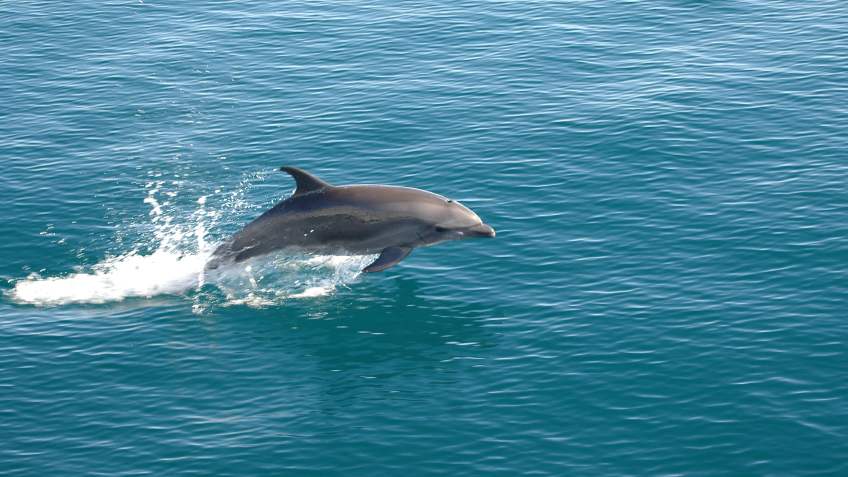
The decision by the Blue Current Dolphin Clan, the Long-Beaked Common Dolphin Tribe, and the Australian Humpback Dolphin Group to form a political alliance is a landmark event in the study of animal behavior. It challenges the long-held assumption that politics understood as negotiation, coalition building, and reciprocal cooperation is uniquely human. Instead, this alliance suggests that political behavior emerges naturally in intelligent, social species facing environmental pressure.
As climate change, overfishing, and habitat destruction continue to reshape the natural world, we may witness more such alliances across different species and ecosystems. The question is no longer whether animals can be political, but how we as humans will respond to the political lives of our fellow creatures. Their survival may depend on our willingness to recognize their alliances, respect their territories, and reduce our own political and economic disruptions to their world.
In the end, the dolphins of Western Australia have not only sealed an alliance among themselves they have also sent a silent but powerful message to humanity: intelligence seeks cooperation, and cooperation is the oldest form of politics.