

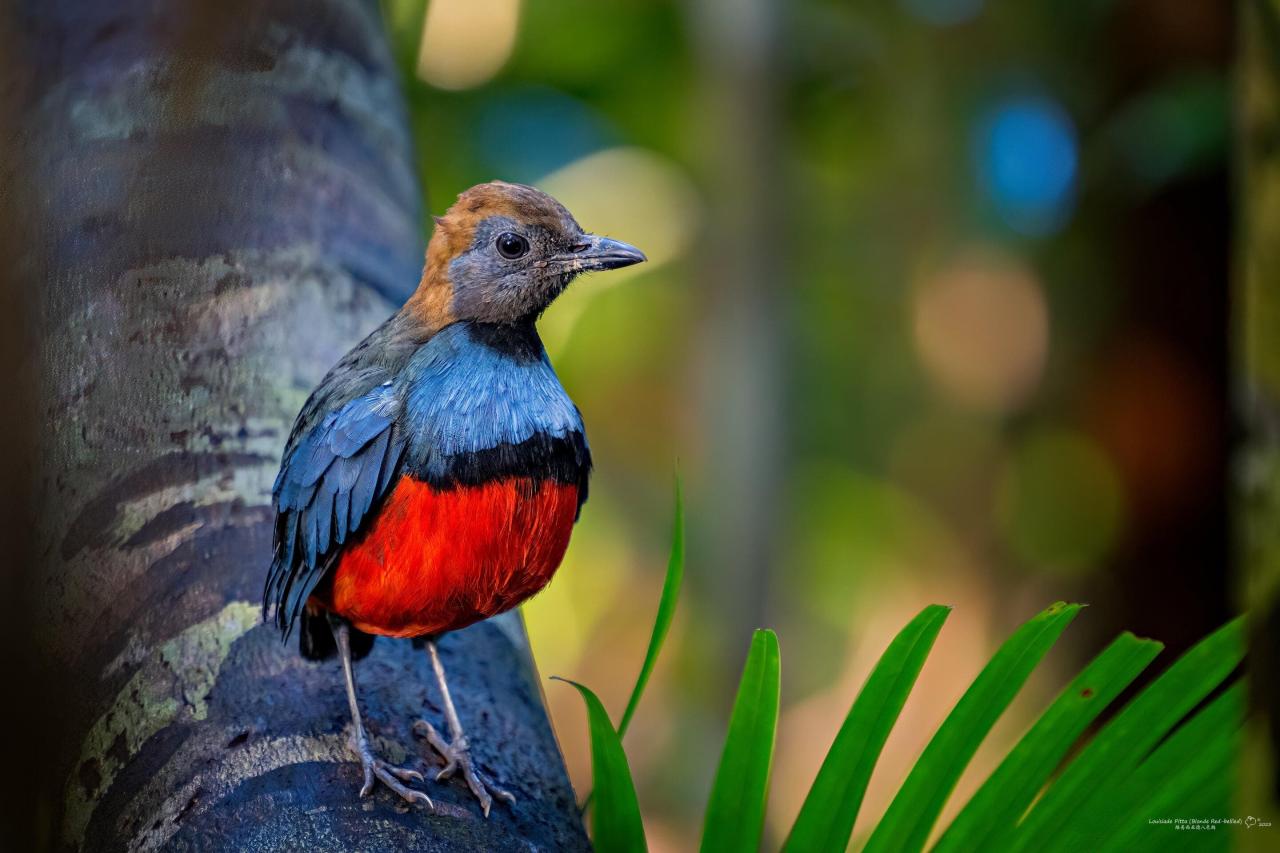
For decades, conservationists and birdwatchers around the world held onto fading hope. Species after species vanished from their natural habitats, driven away by deforestation, climate shifts, invasive predators, and unchecked human expansion. Many were declared extinct. Others simply disappeared so completely that even local communities forgot they ever existed. But nature, as it turns out, has a way of surprising those who refuse to give up. In a remarkable turn of events that has sent waves of joy through the global ornithological community, seven bird species once considered lost forever have now returned to their ancestral homes. This is not a single isolated miracle but a series of rediscoveries spanning different continents, ecosystems, and conservation strategies. The return of these lost birds offers a powerful lesson in patience, scientific dedication, and the incredible resilience of life when given even the smallest chance.
Introduction: The Quiet Extinction Crisis
Birds are among the most visible and well-studied animals on Earth. Their songs fill forests, grasslands, wetlands, and cities. When a bird species disappears, it rarely happens with a dramatic finale. Instead, it fades silently one less nest, one fewer call at dawn, one empty branch after another. Over the past five centuries, human activity has accelerated bird extinctions at an alarming rate. The iconic passenger pigeon, the hauntingly beautiful Carolina parakeet, and the giant moa of New Zealand are only the most famous casualties. Yet every year, new species slip into the shadows. The International Union for Conservation of Nature (IUCN) currently lists over 1,400 bird species as threatened with extinction. Among them, dozens are classified as “critically endangered (possibly extinct)” a bureaucratic way of saying that scientists believe they are gone but cannot yet prove it.
Against this grim backdrop, the rediscovery of a lost bird species is like finding a living relative at a funeral. It rekindles hope, reshapes conservation priorities, and reminds us that extinction is not always the end. The seven birds featured in this article were each declared lost for periods ranging from 15 to over 80 years. Their returns were met with disbelief, celebration, and urgent efforts to protect what remains. Let us meet these avian ghosts one by one, understand why they vanished, and explore how they found their way back home.
A. The Dusky Tetraka (Crossleyia tenebrosa) – Madagascar’s Yellow-Eyed Phantom
Madagascar, the eighth continent in miniature, is a biodiversity wonderland. More than 90 percent of its wildlife exists nowhere else. Among its hidden treasures is the dusky tetraka, a small, olive-brown songbird with striking yellow eyes and a sweet, whistling call. First described in 1899, this bird was rarely seen even in the best of times. It lived only in the lowland rainforests of northeastern Madagascar, where it foraged close to the ground in dense undergrowth. The last confirmed sighting before its disappearance occurred in 1948. For over seven decades, ornithologists searched without success. Repeated expeditions turned up nothing. The bird became a ghost, mentioned only in old field guides and academic footnotes.
Why Did It Vanish?
The reasons for the dusky tetraka’s long absence were painfully clear. Madagascar has lost nearly 80 percent of its original forest cover. Slash-and-burn agriculture, illegal logging, and charcoal production destroyed the bird’s lowland habitat. Additionally, introduced predators such as feral cats and rats preyed on nests and fledglings. By the 1990s, most experts assumed the species was extinct.
The Rediscovery
Then came 2022. A team of researchers from the Asity Madagascar organization and the University of Copenhagen set out on a five-week expedition to a small forest fragment near the village of Andapa. They deployed mist nets in areas that previous explorers had ignored steep, rocky stream banks covered in thick pandanus plants. On the third day, they heard an unfamiliar call. Within hours, they had captured, photographed, and released five individuals. DNA testing confirmed the identity: Crossleyia tenebrosa lived. The world gasped. Conservationists immediately began negotiations with local communities to protect the forest fragment. Today, the dusky tetraka survives in one of the last strongholds of Madagascar’s lowland rainforests, and its rediscovery has sparked new funding for habitat preservation.
B. The Black-Naped Pheasant-Pigeon (Otidiphaps insularis) – An Island Legend Returns
Fergusson Island, part of Papua New Guinea’s D’Entrecasteaux Archipelago, is rugged, mountainous, and cloaked in pristine rainforest. For generations, local hunters spoke of a large, ground-dwelling pigeon with a black nape, orange eyes, and a loud, repetitive call. Western science first described the black-naped pheasant-pigeon in 1883, but after 1896, no verified sighting occurred. For 126 years, the bird existed only in museum specimens and local folklore. Many ornithologists called it “the Holy Grail of pigeon species.”
The Search
In 2022, an expedition team led by American ornithologist John C. Mittermeier and local researchers placed camera traps throughout Fergusson Island’s remote interior. For nearly a month, they captured images of wild boars, wallabies, and various bird species but no pigeon. On the final day, as they retrieved the last camera trap, they could not believe their eyes. There, on a small screen, stood a black-naped pheasant-pigeon, walking deliberately through the leaf litter. The team erupted in silent screams (loud noises would scare wildlife). They had proof.
Why Did It Hide?
The black-naped pheasant-pigeon evolved on an island without natural mammalian predators. As a result, it became ground-nesting and relatively tame. When humans introduced dogs, cats, and rats, the pigeon’s population crashed. Moreover, gold mining operations in the 1990s and early 2000s brought roads, hunters, and habitat fragmentation. The bird retreated to the most inaccessible mountain slopes, where even the most determined researchers rarely ventured.
Today, the rediscovery has led to a protected area declaration on Fergusson Island, and local communities are being trained as rangers. The pigeon’s return home is not just a scientific victory but a cultural one the bird had never been forgotten by the island’s people.
C. The Bornean Rajah Scops Owl (Otus brookii brookii) – A Phantom in the Mist
Borneo, shared by Malaysia, Indonesia, and Brunei, is one of the world’s most biologically rich islands. Among its many secrets was a small, reddish-brown owl with wide yellow eyes and ear tufts that gave it a perpetually surprised expression. The Bornean rajah scops owl was first collected in 1892 from the slopes of Mount Kinabalu. Then, it vanished. For 128 years, not a single confirmed sighting occurred. Scientists wondered if it had ever been a valid species or merely a color variant of another owl.
The Unexpected Encounter
In 2020, a team of ecologists was conducting nighttime surveys in the highlands of Sabah, Malaysian Borneo. They were not looking for the owl. They were tracking insect diversity. As one researcher played back the call of a different scops owl species, a small bird suddenly flew in and landed on a branch just meters away. The team’s torchlight revealed the unmistakable features: reddish-brown plumage, barred wings, and those piercing yellow eyes. They recorded its call, took photographs, and collected feather samples. Genetic analysis later confirmed that Otus brookii brookii was not only a valid subspecies but a unique evolutionary lineage restricted to Borneo’s mountainous forests.
Conservation After Rediscovery
The owl’s habitat lies within a protected forest reserve, but illegal logging and tourism development remain threats. Since the rediscovery, the Malaysian government has increased patrols and restricted nighttime access to sensitive areas. Local bird guides have been trained to identify the owl, turning potential poachers into protectors. The owl’s return home has become a symbol of the hidden wonders still waiting to be found in Borneo’s interior.
D. The Santa Marta Sabrewing (Campylopterus phainopeplus) – A Dagger-Winged Jewel
The Santa Marta mountains of northern Colombia are a biodiversity hotspot like no other. Isolated by geography and climate, this mountain range hosts dozens of endemic bird species. Among them was the Santa Marta sabrewing, a large hummingbird with a curved, dagger-like beak and iridescent green plumage that shimmered like liquid metal. First described in 1874, it was seen only sporadically throughout the 20th century. The last confirmed sighting before 2022 was in 1946. For 76 years, birdwatchers searched the cloud forests in vain. The species was listed as critically endangered, and many feared it had finally succumbed to habitat loss.
How Was It Found?
In 2022, a local community guide named Yurgen Vega was leading a small ecotourism group through a remote patch of forest near the Sierra Nevada de Santa Marta. He heard a hummingbird’s wings not the usual buzz but a deep, resonant thrum. Following the sound, he spotted the sabrewing feeding on purple flowers. Vega, who had been trained in bird identification, immediately recognized the bird. He took photographs and sent them to ornithologists. Within days, the news broke worldwide. Subsequent expeditions confirmed a small, breeding population.
Threats and Hope
The Santa Marta sabrewing’s habitat is severely fragmented by coffee plantations and cattle ranching. However, the rediscovery has galvanized conservation action. The Colombian NGO Fundación ProAves has expanded its reserve network, purchased land, and worked with farmers to restore shade-grown coffee habitats that benefit hummingbirds. Today, the dagger-winged jewel flies again over the Santa Marta mountains, a living testament to the power of local stewardship.
E. The Táchira Antpitta (Grallaria chthonia) – Venezuela’s Silent Singer
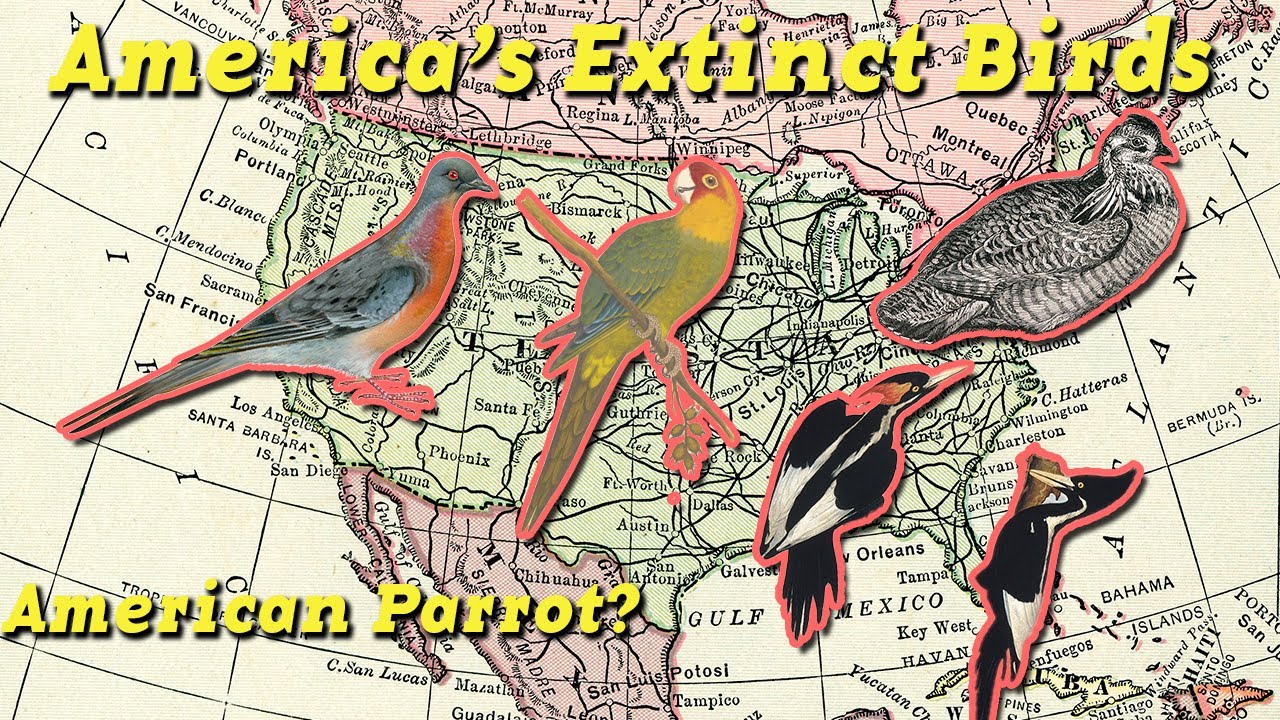
Antpittas are among the most secretive birds in the world. They are plump, short-tailed, long-legged, and nearly impossible to see because they spend most of their time hopping silently through dense forest undergrowth. The Táchira antpitta was discovered in 1955 in the cloud forests of southwestern Venezuela. Only two specimens were ever collected. Then, silence. For 67 years, no one heard its call or saw its shape among the ferns. The species was feared extinct, its forest home heavily degraded by agriculture and logging.
The Breakthrough
In 2022, a team from Red Siskin Initiative and the University of Nevada, Reno, conducted bioacoustic surveys in the Táchira state. They set up dozens of autonomous recording units that captured sounds for weeks at a time. Back in the lab, they analyzed thousands of hours of recordings. Then, they found it: a distinct, whistled song that matched no known antpitta species. Field expeditions pinpointed the location. The Táchira antpitta was alive, hiding in a tiny, steep valley that farmers had abandoned due to its inaccessibility.
What Happens Next?
The rediscovered population is tiny likely fewer than 50 individuals. The Venezuelan government, despite economic difficulties, has worked with international partners to create a community-managed reserve. Local families have transitioned from slash-and-burn agriculture to sustainable agroforestry. The antpitta’s return home has brought not just a bird but economic alternatives to a marginalized region.
F. The Night Parrot (Pezoporus occidentalis) – Australia’s Most Elusive Ghost
No story of lost birds returning home would be complete without the night parrot. This small, ground-dwelling parrot is covered in yellowish-green feathers with black and gold speckles. It is nocturnal, silent most of the time, and lives in spinifex grasslands across Australia’s arid interior. First described in 1845, it was seen so rarely that many 19th-century naturalists dismissed it as a myth. Between 1912 and 2013, not one single confirmed sighting occurred. For over a century, the night parrot was the holy grail of Australian ornithology. Poachers, tourists, and scientists searched without success. The bird became legendary.
The Rediscovery That Shook the World
In 2013, a wildlife photographer and parrot enthusiast named John Young released photographs and video evidence of a live night parrot in southwestern Queensland. The scientific community was skeptical at first too many false reports had come before. But independent experts verified the location (kept secret to protect the bird) and the identification. The night parrot was real. Since then, additional populations have been found in Western Australia and the Northern Territory. Each discovery is kept confidential, with access restricted to researchers and Indigenous rangers.
Why Did It Hide So Long?
The night parrot is supremely adapted to avoid detection. It moves only at night, remains motionless for hours when threatened, and drinks at secret water sources. Its habitat is remote, harsh, and uninviting to humans. Climate change and introduced predators like feral cats and foxes have reduced its numbers, but the bird survives in small, fragmented pockets. Today, the night parrot’s return home has spurred one of Australia’s largest conservation investments, including cat-proof fences and fire management programs. The parrot is still critically endangered, but it is no longer a ghost.
G. The Cebu Flowerpecker (Dicaeum quadricolor) – From Extinct to Extant
The story of the Cebu flowerpecker is arguably the most dramatic in modern ornithology. Cebu Island in the Philippines was once covered in lush, lowland rainforest. By the late 20th century, less than 0.03 percent of the island’s original forest remained. The Cebu flowerpecker, a tiny bird with a dazzling red, white, and black plumage, was last seen in 1906. For 86 years, it was universally accepted as extinct. Field guides listed it with a cross mark. The IUCN declared it extinct. Everyone moved on.
The Shock of 1992
In 1992, an ornithologist named Robert Kennedy was exploring a tiny, unprotected forest fragment in central Cebu. He saw a flash of red and white. With binoculars, he could not believe his eyes: a male Cebu flowerpecker. He took photographs and collected a specimen that had died in a mist net. The scientific world was stunned. A bird officially declared extinct had been living, breeding, and surviving in less than half a square kilometer of forest.
The Long Road Back
Since its rediscovery, the Cebu flowerpecker has become a national symbol of Philippine conservation. The government established the Central Cebu Protected Landscape. Reforestation projects have expanded the bird’s habitat from 0.5 to over 1.5 square kilometers. The population, once thought to be under 50 individuals, has slowly increased to around 200. Local schools teach children about the flowerpecker, and ecotourism provides jobs. The bird’s return home is complete not a single miraculous sighting but a sustained recovery over three decades.
Why Do Birds Disappear and Return?
Understanding why lost birds come home requires understanding why they left in the first place. The seven species above share common threats:
A. Habitat destruction – Logging, agriculture, mining, and infrastructure development destroy nesting and feeding grounds.
B. Invasive predators – Rats, cats, dogs, snakes, and mongooses eat eggs, chicks, and adults.
C. Climate change – Altered rainfall patterns, temperature shifts, and extreme weather events reduce food availability.
D. Overhunting and trapping – Some species are hunted for food, feathers, or the pet trade.
E. Small population genetics – When numbers drop below a certain threshold, inbreeding reduces fertility and survival.
Yet birds return when these threats are reduced, even temporarily. Many lost species survive in tiny, inaccessible refuges steep slopes, abandoned valleys, remote islands, or forest fragments that farmers overlooked. When conditions improve, or when humans finally look in the right places, the birds reappear.
How Rediscoveries Change Conservation
The return of a lost bird species is never just a feel-good story. It has real, measurable impacts:
-
Funding – Rediscovered species attract media attention and donations. Governments and NGOs prioritize newly found populations.
-
Policy changes – Protected areas are expanded or newly established. Logging concessions are revoked. Hunting bans are enforced.
-
Community engagement – Local people take pride in “their” lost bird. Ecotourism and conservation jobs provide economic alternatives to destructive activities.
-
Scientific knowledge – Each rediscovery teaches us where birds can hide, how long they can survive without detection, and what habitat features are most critical. This knowledge helps search for other lost species.
The Limits of Rediscovery
It is important to celebrate these returns without false optimism. Of the seven birds described above, five remain critically endangered. Their populations are small, their habitats are fragmented, and their futures depend on continued protection. Rediscovery does not equal recovery. Moreover, for every bird that comes home, dozens of others are truly gone. The Alagoas foliage-gleaner of Brazil, the Bachman’s warbler of North America, and the po’ouli of Hawaii these and many more will never return. Extinction is forever.
Yet the returns we have witnessed offer a powerful counter-narrative. They prove that conservation works when it is tried. They show that local communities, scientists, and governments can reverse decline. And they remind us that nature holds secrets we have not yet uncovered.
What You Can Do to Help Lost Birds Stay Home
As a reader and nature enthusiast, you are not powerless. Here are concrete actions that support the return and survival of lost bird species:
A. Support habitat protection – Donate to organizations like the American Bird Conservancy, BirdLife International, or local land trusts. Every dollar buys acres of forest, grassland, or wetland.
B. Practice ethical birdwatching – Never disturb nests, play loud calls, or trespass into sensitive areas. Stress can drive rare birds away.
C. Reduce your feline footprint – Keep cats indoors. Domestic cats kill billions of birds annually worldwide, including rare species.
D. Choose sustainable products – Buy shade-grown coffee, sustainably harvested timber, and rainforest-safe palm oil. Your consumer choices shape the landscape.
E. Report sightings – If you believe you have seen a rare or lost bird, document it carefully with photographs and notes. Contact local ornithological societies.
F. Advocate for policy – Support laws that protect endangered species and their habitats. Write to elected representatives. Vote for conservation-minded leaders.
Looking Ahead: Which Lost Bird Will Return Next?
The seven birds above are success stories, but dozens of other lost species remain missing. The ivory-billed woodpecker of the southeastern United States, the slender-billed curlew of Eurasia, the New Zealand storm petrel (rediscovered in 2003 and thus not included in this list), and the Jerdon’s courser of India are still classified as critically endangered (possibly extinct). Each year, dedicated searchers fan out across swamps, mountains, and islands hoping for a miracle. Some will fail. But history teaches that some will succeed. The return of the black-naped pheasant-pigeon after 126 years proves that hope is not irrational. It is essential.
Conclusion: A Song That Refuses to Be Silenced
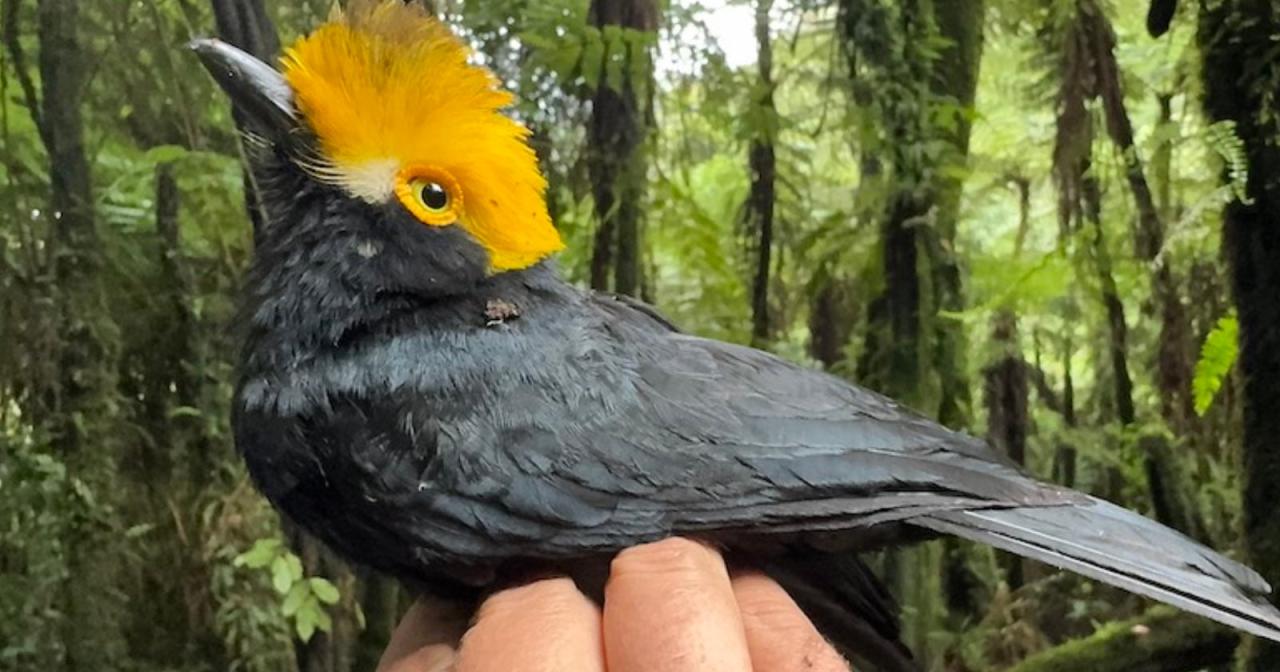
The return of seven lost bird species to their ancestral homes is not a coincidence. It is the result of decades of silent work biologists who never stopped searching, local guides who never stopped watching, communities who never stopped protecting, and forests that never stopped breathing. Each rediscovered bird sings a song that was almost forgotten. Each returned species stitches a small tear in the fabric of Earth’s biodiversity. The dusky tetraka, the black-naped pheasant-pigeon, the Bornean rajah scops owl, the Santa Marta sabrewing, the Táchira antpitta, the night parrot, and the Cebu flowerpecker are more than birds. They are living proof that extinction can be avoided, that lost things can be found, and that home whether a patch of rainforest, a cloud forest slope, or an arid grassland is never truly abandoned. It waits. And sometimes, against all odds, the birds come back.