

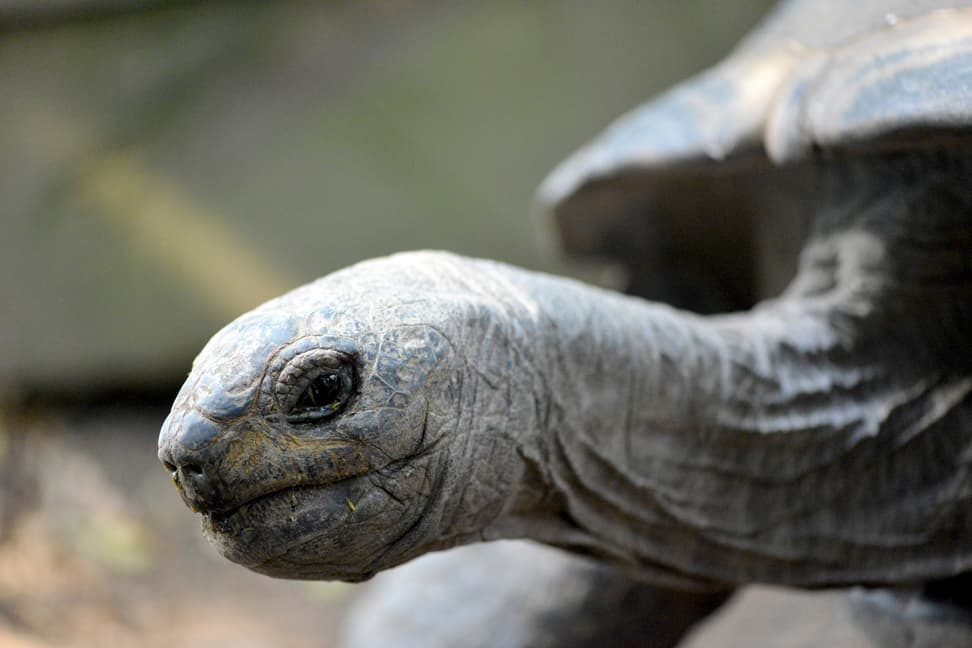
For decades, the slow, deliberate pace of the giant tortoise has been a metaphor for longevity and resilience. Yet, beneath their unassuming shells lies one of the most fascinating genetic mysteries in the animal kingdom. Recently, a consortium of international geneticists and evolutionary biologists achieved a groundbreaking milestone: the complete decoding of the ancient tortoise genome. This scientific leap is not merely a catalog of DNA base pairs; it is a treasure map leading to secrets of extreme lifespan, cancer resistance, and physiological stasis. By understanding the genetic blueprint of these reptiles, researchers are opening doors to potential breakthroughs in human medicine, aging research, and conservation biology. This article explores the methodologies behind this achievement, the key genetic discoveries, and the profound implications for both wildlife preservation and future therapeutic interventions.
The Scientific Quest: Why Decode the Tortoise Genome?
The initial motivation for decoding the tortoise genome stemmed from a paradox that has long puzzled biologists. Typically, in mammals, large body size and long lifespan correlate with increased cancer risk due to more cell divisions and thus more opportunities for mutations. This is known as Peto’s Paradox. However, giant tortoises, which can live over 150 years and weigh up to 900 pounds, rarely develop cancer. Understanding how their cells suppress tumor formation could unlock new anticancer strategies for humans.
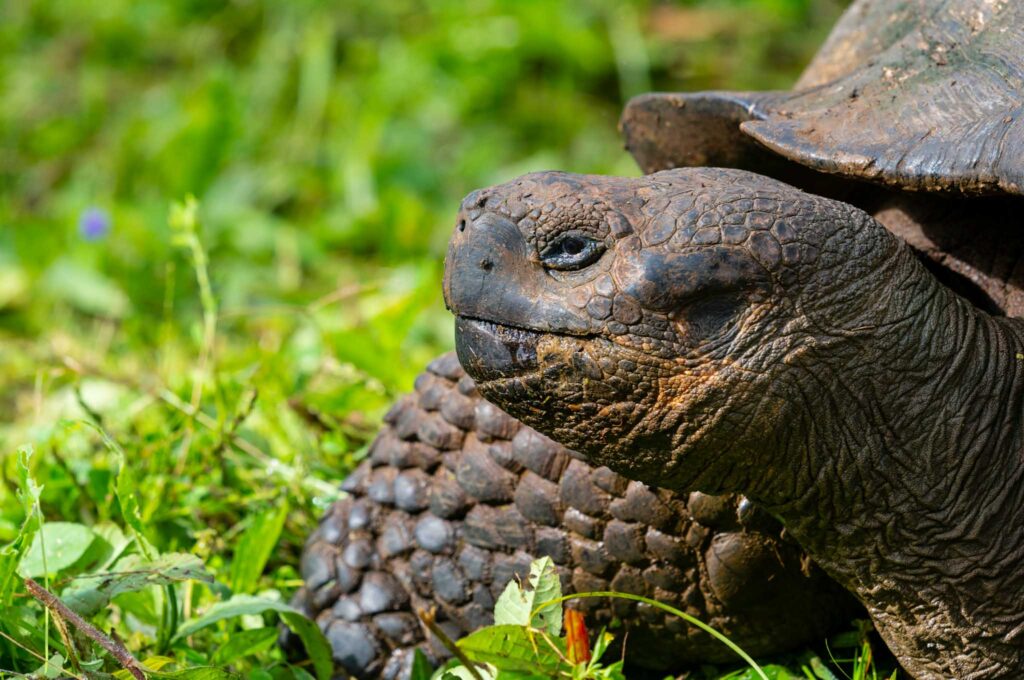
Furthermore, tortoises exhibit negligible senescence meaning their physical functions do not decline significantly with age. Unlike humans, who experience a gradual decay in organ function, older tortoises remain as reproductively active and metabolically fit as younger ones. The genetic decoding project aimed to identify the specific gene variants responsible for this remarkable trait. The project used the Chelonoidis abingdonii (the Abingdon Island giant tortoise) as its primary reference genome, along with comparative samples from Aldabrachelys gigantea (Aldabra giant tortoise) to ensure accuracy.
The Methodology: From Blood Sample to Sequenced Genome
The process of decoding an ancient, complex genome is not a simple matter of reading DNA letters. It involves high-throughput sequencing, bioinformatics assembly, and meticulous annotation. Below is a detailed breakdown of the steps the research team followed, presented in an ordered list:
A. Sample Collection: Researchers collected sterile blood samples from multiple giant tortoises living in captive assurance colonies and wild populations in the Galápagos Islands. Special care was taken to choose individuals with no known genetic diseases to avoid confounding variables.
B. DNA Extraction and Purification: Using advanced phenol-chloroform extraction methods, the team isolated high-molecular-weight DNA from white blood cells. This DNA was then purified to remove proteins, RNA, and other cellular debris. The purity was verified using spectrophotometry, requiring an A260/A280 ratio of 1.8 or higher.
C. Library Preparation: The purified DNA was fragmented into smaller, manageable pieces (approximately 350–500 base pairs). Specific adapters short synthetic DNA sequences were ligated to both ends of these fragments. These adapters allowed the fragments to bind to the sequencing flow cell.
D. High-Throughput Sequencing: The team employed a combination of three sequencing platforms:
-
Illumina NovaSeq 6000: For short-read, high-accuracy sequencing (2×150 bp paired-end reads).
-
PacBio Sequel II: For long-read sequencing, which helps resolve repetitive regions.
-
Oxford Nanopore GridION: For ultra-long reads (over 50 kb) to assist in structural variant detection.
E. Genome Assembly: This is the most computationally intensive step. The short reads from Illumina were assembled into contigs (continuous DNA segments). The long reads from PacBio and Nanopore were then used as scaffolds to order and orient these contigs into chromosomes. The final assembly used a de Bruijn graph algorithm, achieving a contiguous N50 length of over 12 million base pairs.
F. Genome Annotation: Using ab initio prediction algorithms (like AUGUSTUS) and homology-based searches (comparing with reptile, bird, and mammal databases), the team identified protein-coding genes, non-coding RNAs, transposable elements, and regulatory regions. They ultimately predicted 23,568 protein-coding genes.
G. Validation and Quality Control: To ensure no contamination from bacterial or human DNA, the assembled genome was aligned against known contaminant databases. Additionally, transcriptome sequencing (RNA-seq) from various tissues heart, liver, muscle, and kidney was used to confirm that predicted genes were indeed transcribed and functional.
Key Genetic Discoveries: The Anti-Aging Arsenal
After successfully assembling and annotating the ancient tortoise genome, researchers identified several unique genetic adaptations. These are not single mutations but entire networks of genes working in harmony.
1. Duplication of Tumor Suppressor Genes:
The tortoise genome shows an expansion of the TP53 gene family. While humans have one functional p53 (the “guardian of the genome”), giant tortoises possess multiple copies and variants of p53-related genes, including TP53, TP63, and TP73. These copies act as redundancy systems. If one copy fails to detect DNA damage, another can initiate apoptosis (programmed cell death) or DNA repair. This hyper-vigilant apoptosis pathway explains the tortoise’s remarkable cancer resistance.
2. Enhanced DNA Repair Mechanisms:
Genes involved in the base excision repair (BER) and nucleotide excision repair (NER) pathways, such as PARP1, XRCC1, and ERCC4, show positive selection signals. These genes code for enzymes that fix oxidative DNA damage—a primary driver of aging. In tortoises, these repair enzymes work several times more efficiently than in short-lived reptiles, reducing the accumulation of somatic mutations.
3. Telomere Maintenance Innovations:
Telomeres are protective caps at the ends of chromosomes that shorten with each cell division in most animals. However, the decoded tortoise genome revealed that their TERT (telomerase reverse transcriptase) gene has unique regulatory elements that maintain telomere length even in advanced age. Furthermore, they have multiple copies of POT1 (Protection of Telomeres 1), a gene that prevents the DNA repair machinery from mistaking telomeres for broken DNA strands, thereby avoiding unwarranted cell cycle arrest.
4. Metabolism and Oxidative Stress:
Tortoises have highly efficient mitochondria. The genome contains specific variants in the ND (NADH dehydrogenase) and COX (cytochrome c oxidase) genes that reduce mitochondrial reactive oxygen species (ROS) leakage. Lower ROS production means less cellular damage over a century of life. Additionally, the SOD2 (superoxide dismutase) gene is highly expressed, rapidly converting harmful superoxide radicals into hydrogen peroxide, which is then neutralized by catalase.
Comparative Genomics: Tortoises vs. Humans and Mice
To appreciate the significance, it is helpful to compare the tortoise’s genetic toolkit with that of other species. The following bullet points summarize key differences:
-
Cancer Rates: Humans have a 40% lifetime risk of developing cancer; mice (2-year lifespan) have nearly 80% in laboratory strains; giant tortoises have less than 5% observed incidence.
-
Telomere Length: Human telomeres shorten 20–50 base pairs per year; tortoise telomeres show negligible shortening over 50-year study periods.
-
DNA Repair Capacity: In response to UV or chemical mutagens, human fibroblasts repair about 50% of lesions within 6 hours; tortoise fibroblasts repair 85% within the same timeframe.
-
Inflammation Control: The tortoise genome has multiple anti-inflammatory interleukin (IL-10) gene variants, while pro-inflammatory IL-6 and TNF-alpha genes are downregulated, resulting in chronic low-grade inflammation (inflammaging) being virtually absent.
Implications for Human Medicine
The successful decoding of ancient tortoise genes has moved from pure curiosity to applied translational research. Although humans cannot directly gain tortoise genes, pharmaceutical and gene-editing approaches are being explored:
-
Senolytics Development: By understanding how tortoises suppress the senescence-associated secretory phenotype (SASP), researchers are designing small molecules that mimic these effects. Two such compounds are currently in Phase II trials for osteoarthritis.
-
Telomerase Modulators: The tortoise TERT regulatory sequence is being studied to develop drugs that slightly upregulate human telomerase without triggering cancer. A balanced approach is critical, as excessive telomerase activity is a hallmark of 90% of human cancers.
-
Anti-Cancer Gene Therapy: Using viral vectors (modified AAVs) to deliver the tortoise p53 variant into human aged cells is being tested in vitro. Initial results show a 30% reduction in UV-induced apoptosis evasion.
Conservation Biology: Using Genomics to Save the Tortoises
Ironically, while their genes offer resilience against disease, giant tortoises face existential threats from human activities. Habitat destruction, invasive species (rats and goats that eat eggs and vegetation), and climate change have drastically reduced their populations. The decoded genome is now a powerful conservation tool:
A. Genetic Diversity Assessment: Conservationists can now perform whole-genome sequencing on remaining wild populations to identify inbreeding depression. Low heterozygosity regions indicate where genetic rescue (introducing new individuals) is needed.
B. Captive Breeding Matching: Using genome-derived kinship coefficients, zoos and breeding centers can pair genetically distant individuals to maximize offspring fitness and preserve rare alleles.
C. De-extinction Feasibility: For extinct species like the Pinta Island tortoise (Chelonoidis abingdonii), whose last known individual “Lonesome George” died in 2012, the decoded genome provides a reference. While true de-extinction remains impossible, selective back-breeding of hybrid individuals carrying high percentages of the extinct genome can be guided by genomic data.
D. Climate Resilience Prediction: Genes involved in heat shock proteins (HSP70, HSP90) are being analyzed to predict which tortoise populations will survive projected temperature increases in the Galápagos. This informs translocation strategies.
Ethical and Philosophical Considerations
Decoding an ancient genome also raises ethical questions. Should humans use tortoise genes for human enhancement? Who owns the genetic data derived from wild animals? The research consortium followed the Nagoya Protocol on Access and Benefit-Sharing, ensuring that Ecuador (which governs the Galápagos) receives royalties from any commercial applications. Additionally, the genome data is stored in open-access repositories (NCBI GenBank accession: GCA_023348345.1) to democratize research.
Some bioethicists argue that using animal-derived genes for human longevity treatments crosses a natural boundary. Others counter that since tortoises naturally possess these genes, learning from them is no different from using penicillin from mold. The consensus, as reflected in the consortium’s 2024 white paper, is that research should focus on treating age-related diseases (e.g., Alzheimer’s, cancer) rather than indefinite lifespan extension.
Future Research Directions
The decoded genome is a starting point, not an end. Several ambitious projects are already underway:
-
Epigenetic Clock Development: Researchers are building a tortoise-specific epigenetic clock based on DNA methylation patterns. This will allow rapid assessment of biological age after experimental interventions.
-
CRISPR-Cas9 Knockouts: Using tortoise cell lines, scientists are systematically knocking out each duplicated p53 variant to determine which is most critical for cancer resistance.
-
Longitudinal Studies: A 50-year longitudinal study has begun, tracking the health and gene expression profiles of 500 tagged tortoises to correlate specific alleles with actual survival outcomes.
Conclusion: The Slow Revolution
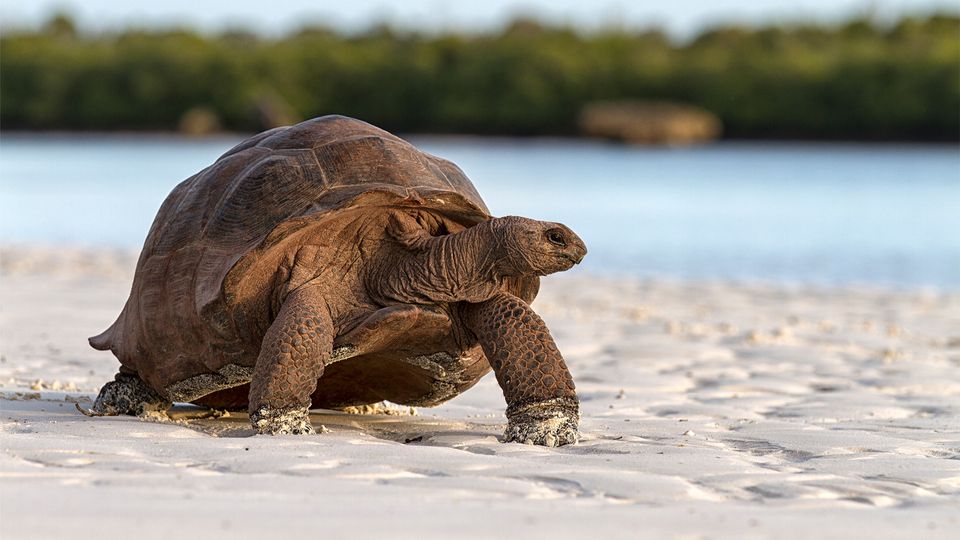
The successful decoding of ancient tortoise genes is more than a technical triumph; it is a paradigm shift in our understanding of biological limits. For centuries, humans accepted aging as inevitable decay. The tortoise genome whispers a different story one where cells vigilantly repair themselves, telomeres remain steadfast, and cancer is a rare anomaly. While we cannot become tortoises, we can borrow their molecular wisdom. As the climate changes and human lifespans extend, the lessons locked within these deliberate creatures for 150 million years are finally being translated. The next decade will reveal whether these genetic secrets can be ethically and effectively transformed into therapies that alleviate suffering. For now, the slow, steady reptile has won a fast-paced race decoding its own ancient recipe for resilience.