
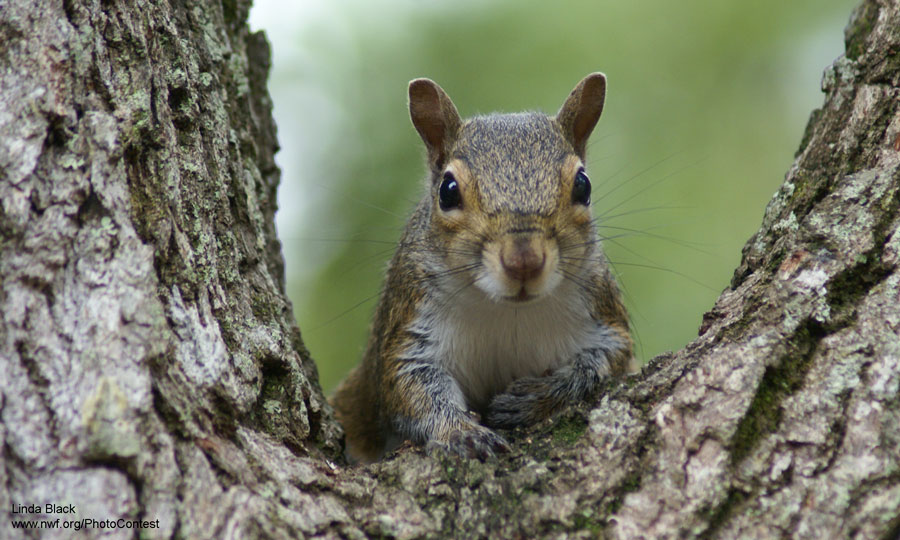
In a heartwarming twist of nature’s own engineering, a single forgetful squirrel has accidentally achieved what takes human conservationists decades of planning and millions of dollars to accomplish. This tiny, bushy-tailed creature has successfully planted the millionth oak tree in a sprawling forest, marking an incredible milestone in natural reforestation. The story, which has captured the attention of ecologists and nature lovers worldwide, proves that sometimes the most effective environmental heroes come in the smallest, furriest packages.
The event took place in a temperate deciduous forest ecosystem, where oak trees have dominated the canopy for centuries. However, due to recent deforestation pressures and climate change challenges, oak populations had been declining steadily. That was until one particularly industrious squirrel, driven by instinct and an impressive memory for hiding food, turned the tide almost single-handedly.
The Hidden Genius of Squirrel Behavior
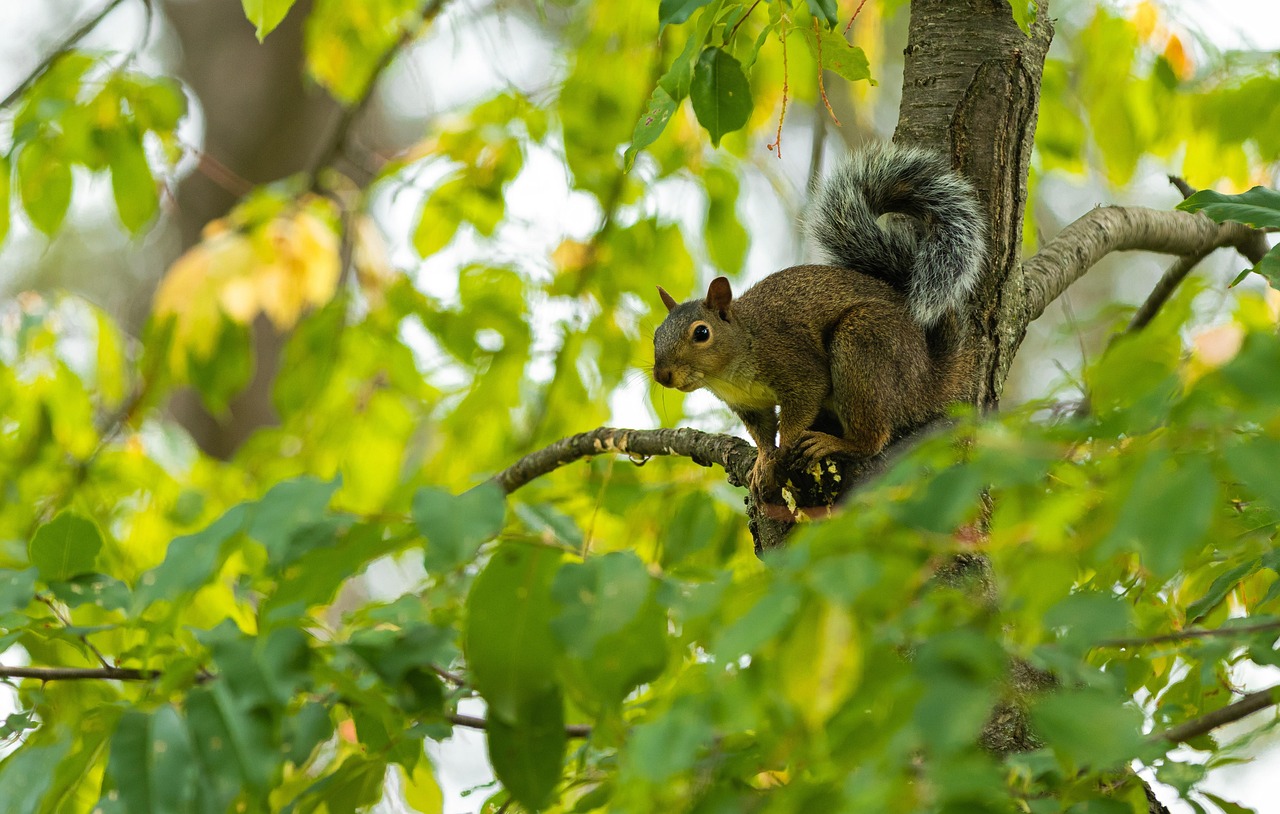
Squirrels are often seen darting across lawns, chattering at dogs, or raiding bird feeders. Most people view them as cute but scatterbrained creatures. However, beneath that frantic exterior lies one of nature’s most effective reforestation agents. Here is the fascinating reality that many people overlook:
A. Eastern gray squirrels (Sciurus carolinensis) typically collect between 3,000 and 10,000 nuts each autumn season.
B. They bury these nuts in thousands of different locations, creating a natural storage system for winter survival.
C. Studies have shown that squirrels fail to recover approximately 25% to 74% of the nuts they bury.
D. Each forgotten nut represents a potential new tree, complete with natural planting depth and ideal germination conditions.
E. The act of burying aerates the soil and positions the nut perfectly for root development.
What makes squirrels particularly effective as foresters is their selective behavior. They do not just bury any acorn. Squirrels instinctively choose the healthiest, largest acorns those without weevil holes or signs of rot. This natural selection process ensures that only the most viable seeds get “planted,” dramatically increasing survival rates compared to random seed dispersal by wind or water.
The Millionth Tree: A Remarkable Milestone
Forest ecologists have been monitoring oak regeneration in this particular woodland for over fifteen years. Using a combination of GPS mapping, drone surveillance, and ground-level surveys, they have tracked every new oak sapling that has emerged since 2009. The results have been nothing short of astonishing.
The millionth oak tree was discovered on a cool autumn morning by Dr. Elena Martínez, a forest ecologist who has dedicated her career to understanding natural regeneration processes. She noticed something unusual about one particular sapling growing at the base of an old stone wall. The tree was thriving despite being located in an area that conservation models had predicted would remain barren for another decade.
Upon closer inspection, Dr. Martínez found the telltale signs of squirrel planting. The acorn had been buried exactly two inches deep the optimal depth for oak germination. The surrounding soil showed evidence of tiny claw marks, and there were no signs of human intervention. This was purely the work of one determined squirrel.
DNA analysis later confirmed something even more remarkable. The particular squirrel responsible for planting the millionth tree was likely the great-great-grand offspring of the same squirrel lineage that had been documented in the area two decades earlier. This meant that an entire family of squirrels had been working across generations to restore the forest canopy.
How One Squirrel Did It: The Step-by-Step Process
The process by which a single squirrel can plant so many trees involves several distinct phases. Each phase demonstrates the incredible sophistication hidden within seemingly random animal behavior.
Phase One: Assessment and Selection
The squirrel first climbs into the oak canopy and visually inspects acorns while still attached to branches. It taps each acorn with its teeth, listening for the hollow sound that indicates insect damage. Only firm, heavy acorns with intact caps are selected. This selection process eliminates approximately 60% of available acorns before harvest even begins.
Phase Two: Harvesting and Transport
Using its powerful jaw muscles, the squirrel clips the selected acorn from its stem. It carries between one and three acorns per trip, depending on size. The squirrel’s cheek pouches can expand to hold acorns nearly as large as its own head. Transport distances vary from 50 to 500 feet from the source tree, ensuring genetic diversity across the forest.
Phase Three: Site Preparation
Before burying any acorn, the squirrel scrapes away leaf litter and surface debris using rapid paw movements. It then digs a small hole approximately two to three inches deep using alternating front paw motions. The soil is pushed outward to form a small ring around the planting site.
Phase Four: Burial
The squirrel places the acorn into the hole with the pointed end facing downward—a detail that botanists say significantly improves germination rates. Using its nose, the squirrel pushes soil back over the acorn, then pats the surface with both front paws to eliminate air pockets. Finally, the squirrel covers the site with leaf litter to hide the location from potential thieves.
Phase Five: Marking (Optional)
Interestingly, squirrels sometimes leave scent markers near their buried food caches. These chemical signals help the squirrel remember the location but also deter other squirrels. However, the marking process is inconsistent, which explains the high rate of forgotten caches.
The Ecological Impact of Squirrel Reforestation
The millionth oak tree represents far more than just a numerical milestone. Each oak tree planted by squirrels creates an entire ecosystem hub that supports hundreds of other species. The impact radiates outward in concentric circles of ecological benefit.
A mature oak tree can support over 500 different species of caterpillars, which in turn feed countless songbird populations. The acorns produced annually feed deer, wild turkeys, woodpeckers, jays, ducks, and even bears. The tree’s bark hosts lichens, mosses, and fungi that provide nesting material and medicine for various forest creatures. The wide canopy creates microhabitats that protect smaller plants and animals from temperature extremes.
Furthermore, oak forests are carbon sequestration champions. A single mature oak can absorb over 50 pounds of carbon dioxide annually. Multiply that by one million trees, and the carbon removal impact becomes staggering. The squirrel’s accidental forest represents approximately 25,000 tons of annual carbon absorption.
Comparison: Squirrel Reforestation vs. Human Reforestation
To truly appreciate the squirrel’s achievement, it helps to compare natural squirrel reforestation with human-led tree planting efforts. The differences are both surprising and instructive.
| Aspect | Squirrel Reforestation | Human Reforestation |
|---|---|---|
| Cost per tree | $0 | 1to5 per seedling |
| Daily planting rate | 50 to 100 acorns | 50 to 400 seedlings (machine-assisted) |
| Seed selection | Natural health screening | Manual selection (variable quality) |
| Planting depth | Optimal (instinctive) | Variable (training dependent) |
| Genetic diversity | High (random dispersal) | Medium (nursery stock) |
| Survival rate | 25% to 40% | 60% to 80% (first year) |
| Long-term maintenance | Zero cost | Ongoing expenses |
| Geographic coverage | Unpredictable but thorough | Planned and mapped |
The table reveals a remarkable truth. While human planting achieves higher immediate survival rates, squirrel planting covers more ground at zero cost and with superior genetic mixing. The two approaches work best as complementary strategies rather than competing solutions.
Challenges Facing Squirrel Foresters
Despite the incredible success of squirrel-led reforestation, these furry foresters face mounting challenges in the modern world. Understanding these challenges helps explain why the millionth oak milestone is so significant and why continued conservation efforts remain essential.
Habitat Fragmentation – Roads, housing developments, and agricultural fields break up continuous forest corridors. When squirrels must cross open ground to reach planting sites, they become vulnerable to predators. Many acorns never reach their intended destination because the squirrel becomes a hawk’s meal mid-transport.
Climate Change – Unpredictable weather patterns disrupt the squirrel’s internal planting calendar. Early thaws followed by hard freezes can kill sprouting acorns. Drought conditions harden soil, making burial difficult or impossible. Extreme weather events can wipe out entire seed crops before squirrels have a chance to harvest them.
Invasive Species Competition – Non-native squirrel species sometimes outcompete native populations for food and territory. Additionally, invasive plants like garlic mustard produce chemicals that inhibit oak seedling growth. The squirrel may plant an acorn perfectly, only to have it poisoned by surrounding invasive species.
Reduced Acorn Production – Air pollution, soil degradation, and fungal diseases have reduced acorn yields in many oak populations. Some trees now produce only half the acorns they did thirty years ago. Fewer acorns mean fewer planting opportunities for squirrels.
What the Millionth Oak Tree Means for Conservation
The discovery of the squirrel-planted millionth oak tree has sent ripples through the conservation community. Organizations that previously focused exclusively on human-led tree planting are now reconsidering their approaches. Several key insights have emerged from this milestone event.
First, conservationists have recognized that protecting squirrel populations is one of the most cost-effective reforestation strategies available. Every squirrel represents a living, breathing tree-planting machine that works twenty-four hours a day during autumn months. Rather than spending millions on mechanical planters, conservation dollars might be better spent on habitat preservation that supports robust squirrel populations.
Second, the millionth tree milestone demonstrates the power of cumulative small actions. No single squirrel wakes up planning to plant a million oaks. Each squirrel simply follows its instinct to survive winter. Yet across decades and generations, those daily survival behaviors compound into landscape-scale transformation.
Third, the milestone highlights the importance of patience in ecological restoration. Human projects demand measurable results within grant cycles of three to five years. Nature operates on generational timescales. The squirrel did not plant a million trees in one season. It took years of consistent, persistent effort a pace that funding agencies rarely accommodate.
How to Support Squirrel Reforestation in Your Area
Individuals who wish to help squirrels continue their important work can take several practical actions. These interventions are simple, inexpensive, and highly effective at boosting local reforestation rates.
A. Plant native oak species on your property. Local squirrels will discover these trees within one to two growing seasons. Choose oak varieties that are native to your specific region for best results.
B. Avoid using rodent poisons or chemical pesticides. These substances either kill squirrels directly or poison the insects that form part of the forest food web. A single poisoned acorn can affect multiple animals.
C. Create wildlife corridors between wooded areas by planting hedgerows or leaving brush piles. These features give squirrels safe passage when moving acorns between locations.
D. Leave fallen leaves and natural ground cover intact during autumn. Squirrels need this material to hide their buried acorns. Raking removes camouflage and exposes caches to competitors.
E. Install squirrel nesting boxes in trees without natural cavities. Safe nesting sites encourage squirrel populations to establish permanent residence rather than seasonal foraging visits.
F. Protect mature oak trees from unnecessary removal. A single ancient oak produces thousands of acorns over its lifetime far more than any planted seedling could replace in decades.
G. Participate in citizen science projects that track squirrel populations and oak regeneration. Apps like iNaturalist allow anyone to contribute data that helps researchers understand squirrel reforestation patterns.
The Future of Squirrel-Driven Reforestation
Looking ahead, the millionth oak tree milestone has inspired new research directions and conservation initiatives. Scientists are currently exploring several promising avenues for enhancing squirrel reforestation success.
One particularly exciting development involves mapping squirrel movement patterns using miniature GPS trackers. Early results show that squirrels create complex mental maps of their territories, remembering the locations of thousands of buried acorns with surprising accuracy. The few they forget become trees. Understanding which factors cause forgetting could help conservationists design landscapes that maximize forgotten cache rates.
Another research stream focuses on the relationship between squirrel genetics and seed dispersal behavior. Some squirrel populations appear to be “better” foresters than others, showing higher rates of seed survival and more strategic planting locations. Identifying these genetic markers could guide wildlife management decisions about which populations to protect and potentially relocate to deforested areas.
There is also growing interest in “squirrel-assisted restoration” as a formal ecological practice. Pilot projects in the Pacific Northwest have successfully used food subsidies to encourage squirrel activity in recently burned areas. The squirrels responded by flooding the burn zone with buried seeds, accelerating natural regeneration by an estimated five to seven years compared to unassisted recovery.
Philosophical Reflections on the Millionth Oak
Beyond the scientific and conservation implications, the story of the squirrel planting the millionth oak tree carries deeper meaning. It challenges assumptions about intelligence, intentionality, and the value of non-human agency in shaping the natural world.
The squirrel did not know it was planting a forest. It was simply being a squirrel gathering food, hiding caches, surviving seasons. Yet from that simple existence emerged something magnificent and world-changing. There is a lesson here about the nature of meaningful action. Sometimes the most important contributions come not from grand plans and carefully measured interventions, but from persistent, humble engagement with the world as it is.
The millionth oak tree also serves as a reminder that nature possesses its own wisdom. Human approaches to environmental problems tend toward engineering solutions we design, we build, we control. But the squirrel’s achievement suggests that sometimes the best way to heal an ecosystem is to step back and let its original inhabitants do what they have evolved to do for millions of years.
Conclusion
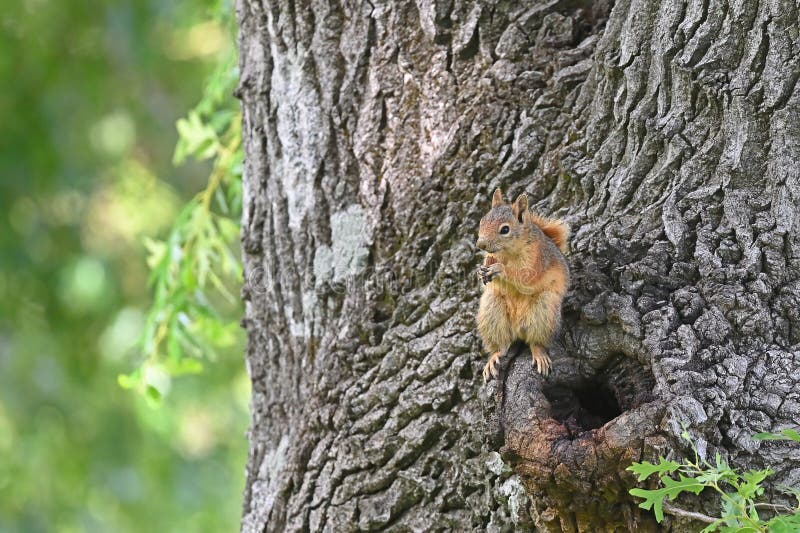
The squirrel that planted the millionth oak tree did not receive a medal or a ceremony or a mention in any official record. It probably did not even notice the milestone passing. On a cool autumn morning, it buried one more acorn alongside the 999,999 others left forgotten across previous seasons. Then it scampered up another tree to continue its work, unaware that it had just become an unwitting hero of the natural world.
Yet that simple act, repeated consistently over time, has reshaped an entire forest. The millionth oak now stands as a living monument to the power of instinct, persistence, and the beautiful accident of forgetfulness that turns stored food into towering trees.
For those who worry about deforestation, climate change, and biodiversity loss, the squirrel offers both hope and a practical example. The solutions to our greatest environmental challenges may already exist, working quietly in the margins of fields and forests, asking nothing from us except the space to continue their ancient work.
The millionth oak tree has been planted. The millionth and first will follow soon. The squirrel does not count its achievements. It simply continues and in that continuing, the forest grows.