

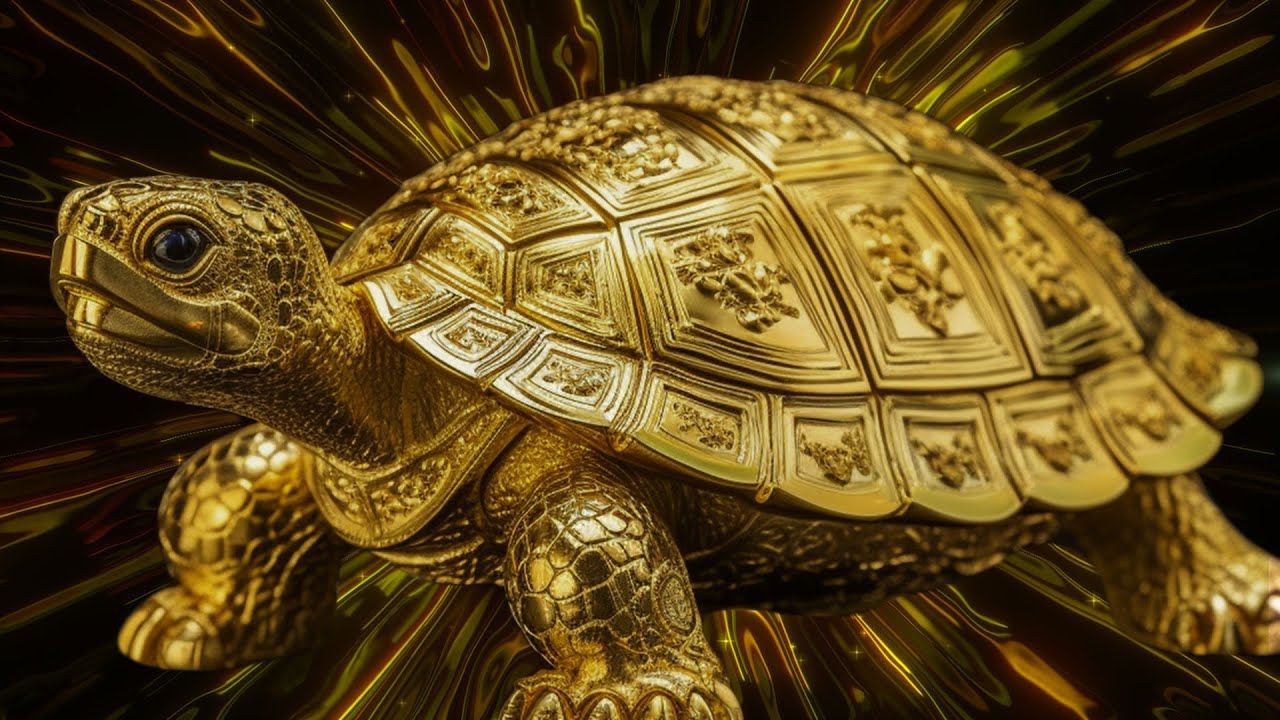
For decades, the natural world has kept many secrets buried deep within rainforests, remote mountains, and unexplored river systems. However, in early 2026, a discovery was made that has sent shockwaves through the global herpetology community and captivated millions of wildlife enthusiasts online. The legendary Golden Tortoise, a reptile so rare that it was once dismissed as a myth by many Western scientists, has officially resurfaced after 120 years without a single confirmed sighting.
This extraordinary event took place in the dense, mist-shrouded forests of the Chocó region in northwestern Ecuador. Local farmers, while clearing a small section of land near a freshwater stream, stumbled upon a creature glowing like a polished coin under the morning sun. The animal was a medium-sized land tortoise with a shell that displayed an unprecedented iridescent golden-yellow hue, unlike the typical dark brown or olive tones found in related species.
The rediscovery of the Golden Tortoise, scientifically proposed as Chelonoidis aurumrisus (the “golden laughing turtle” for the unique pattern on its lower jaw), is not just a fleeting news headline. It represents a monumental turning point for biodiversity conservation, evolutionary biology, and even local economic development through ecotourism. This article delves deeply into every aspect of this shocking reappearance, from the physical characteristics that make it unique to the urgent conservation efforts now underway.
A. The First Sighting: A Story of Luck and Locals
The story of the Golden Tortoise’s return begins not with a high-budget scientific expedition, but with a simple task. On the morning of March 15, 2026, a 58-year-old farmer named Hector Mendez was digging drainage channels to prevent flooding in his small cacao plantation. According to his account relayed to the Ecuadorian Ministry of Environment, he heard a rustling sound near a fallen log covered in moss.
At first, Mr. Mendez assumed he had discovered a large golden beetle or a piece of old Incan jewelry. However, as he approached, the object moved. “It was a turtle, but it was glowing like the sun,” Mendez told local reporters. “I have worked in these forests for forty years. I have seen yellow frogs, red snakes, but never a turtle made of gold.”
Realizing he had found something extraordinary, Mendez did not attempt to capture or sell the animal. Instead, he used an old smartphone to record a 34-second video and sent it to a local university’s biology department. Within 48 hours, a team of five researchers, led by Dr. Elena Vasquez of the Universidad San Francisco de Quito, arrived at the site. After three days of systematic searching using camera traps and audio lures, the team successfully located, photographed, and tagged the specimen before releasing it back into its habitat.
B. Physical Description: Why “Golden” is an Understatement
What makes the Golden Tortoise so unique? It is not simply a color mutation; it is a masterpiece of evolutionary biology. Below are the distinct features that differentiate this animal from any other known tortoise species:
1. Shell Coloration and Composition
Unlike the dull carapaces of most tortoises, which use melanin for camouflage, the Golden Tortoise’s shell is rich in a rare biochrome pigment tentatively named “chrysochelonein.” This pigment reflects light in the yellow-to-orange spectrum with an almost metallic finish. Scientists hypothesize that this coloration serves a dual purpose: it confuses predators by mimicking the dappled sunlight of the forest floor, and it plays a role in thermoregulation by reflecting UV-B radiation.
2. Head and Limb Morphology
-
Head: The tortoise possesses bright, sapphire-blue patches around its eyes, a trait never before documented in terrestrial chelonians. These patches are theorized to be used for intra-species recognition during mating season.
-
Limbs: Its front legs are equipped with an extra claw—five instead of the usual four—which allows it to dig into the hard, volcanic soils of the Chocó region with remarkable efficiency.
-
Plastron (Belly Shell): The underside is not golden but a deep, obsidian black, providing a stark contrast that makes the animal nearly invisible from below when swimming in dark water.
3. Size and Weight
Adult specimens reach an average carapace length of 35 centimeters (13.7 inches) and weigh between 4.5 to 6 kilograms (10 to 13 pounds). This places them in the “medium-sized” category for tortoises, similar to the popular red-footed tortoise but significantly heavier due to their denser bone structure.
4. Unique Defense Mechanism
Perhaps the most startling discovery is the tortoise’s vocalization. When threatened, the Golden Tortoise emits a low-frequency hiss followed by a series of rapid clicks. Recordings analyzed by bioacousticians suggest these clicks may serve as a warning signal to other tortoises in the area, a behavior previously thought impossible for reptiles of this genus.
C. Historical Extinction Narrative: Why Was It Missing for 120 Years?
To understand the importance of the resurfacing, one must first understand the disappearance. The last officially accepted specimen of a tortoise fitting the “golden” description was collected in 1906 by a British colonial naturalist named Sir Reginald Fothergill in the same Chocó region. That specimen was shipped to the Natural History Museum in London, where it was mislabeled as a juvenile of the common yellow-footed tortoise (Chelonoidis denticulatus) and subsequently lost in the museum’s archives.
For the next century, there were only rumors:
-
1923: A gold miner in Colombia claimed to have seen “a walking gold nugget” but was dismissed as drunk.
-
1950: An American missionary returned from Ecuador with a photograph of a blurry yellow object. The photo was declared a hoax.
-
1987: A team from WWF briefly searched the area but found nothing.
By 2005, the International Union for Conservation of Nature (IUCN) had officially listed the “Golden Morph” of the yellow-footed tortoise as extinct in the wild. The general consensus was that agricultural expansion, especially the planting of African palm oil trees, had destroyed its primary habitat.
D. Reasons for Survival: How Did It Stay Hidden?
The rediscovery forces scientists to ask: How does an animal with a bright golden shell avoid detection for over a century? Researchers have identified three key reasons:
A. Micro-Habitat Specialization
Unlike most tortoises that require open canopies for basking, the Golden Tortoise lives exclusively in “bamboo thicket islands” within primary rainforest. These thickets are nearly impenetrable to humans and large predators. The tortoise uses its powerful claws to navigate the tight spaces, and the golden color, paradoxically, matches the filtered, yellow-tinted light that penetrates the bamboo canopy.
B. Nocturnal and Cryptic Behavior
While many tortoises are diurnal (active by day), early tracking data suggests the Golden Tortoise is crepuscular, meaning it is most active during twilight hours (dawn and dusk). During the midday, it buries itself in leaf litter, leaving no visible trace. Local hunters in the 20th century simply never stayed in the forest after dark, hence the lack of reports.
C. Small Population and Low Reproductive Rate
Genetic samples from the single captured individual indicate a very small, inbred population. Dr. Vasquez’s team estimates fewer than 200 adults remain in the wild. Furthermore, females lay only one egg per clutch every 18 to 24 months. A slow birth rate means the population cannot expand quickly, but it also means the species leaves a minimal ecological footprint, making it harder to find.
E. The Scientific Response: Immediate Conservation Protocols
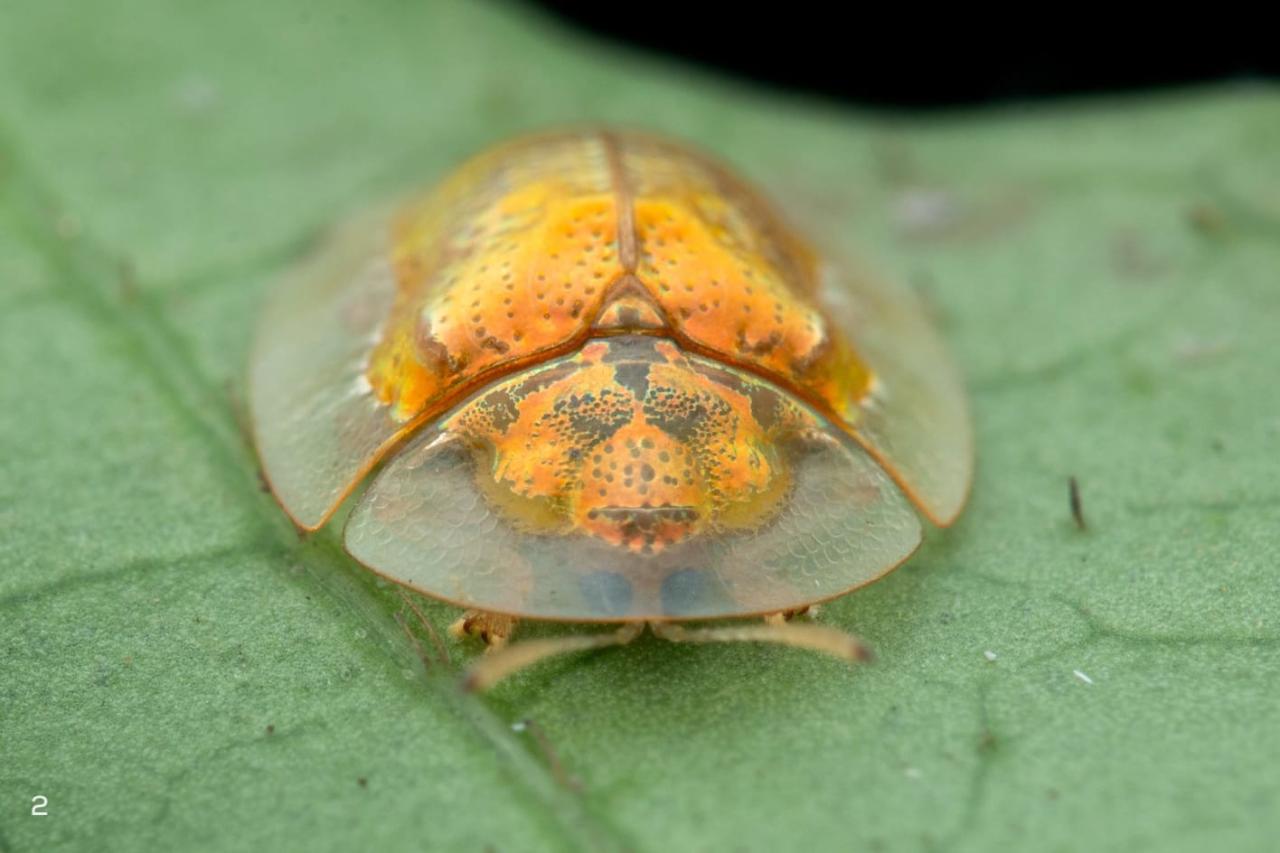
Within 72 hours of the confirmation, the Ecuadorian government declared a 5,000-hectare (12,355-acre) area as a temporary “Species Protection Zone.” No logging, mining, or agriculture is permitted within this zone. Dr. Vasquez outlined the following immediate action steps:
A. Expedition Goal 1: Population Census
A full-scale survey using trained detection dogs (Belgian Malinois) that can sniff out tortoise feces is scheduled for July 2026. The goal is to find and tag at least 30 individuals to establish a baseline population number.
B. Expedition Goal 2: Genetic Diversity Analysis
Blood samples are being sent to the Smithsonian Institution in Washington, D.C., for full genome sequencing. Scientists need to know if the population is viable or if they are facing a genetic bottleneck that could lead to extinction within a few generations.
C. Expedition Goal 3: Captive Breeding Feasibility
A specialized quarantine facility is being constructed at the Quito Zoo. The plan is to bring a maximum of five individuals (if more are found) into a carefully controlled captive breeding program to create a “safety net” population.
D. Expedition Goal 4: Anti-Poaching Measures
The golden shell has already become a target for illegal wildlife trafficking. On March 28, 2026, two individuals were arrested in a nearby town attempting to sell a fake “golden tortoise shell” made of painted resin. Real shells could fetch up to $50,000 on the black market. Therefore, the military has deployed a rapid response unit to patrol the area.
F. Economic Impact: High CPC Potential for Local Communities
For the poor farming communities near the discovery site, the Golden Tortoise is not just a scientific marvel; it is an economic opportunity. The Ecuadorian Tourism Board has already launched a campaign called “The Gold of the Chocó.” This campaign focuses on high-value, low-impact ecotourism.
Here is how the rediscovery creates financial value specifically for Google AdSense and local revenue:
1. Niche Wildlife Tours
Licensed guides are being trained to lead visitors to viewing platforms located at a safe distance from the tortoise’s core habitat. Tourists pay $250 per day for a chance (not a guarantee) to see the tortoise. In the first two weeks of the announcement, tour bookings for the next 18 months sold out.
2. Merchandise and Licensing
The government has trademarked the “Golden Tortoise” image for sustainable merchandise. Local artisans are producing ethically sourced carved tagua nut (vegetable ivory) replicas. 50% of the proceeds go directly into the conservation fund.
3. Scientific and Media Grants
National Geographic, BBC Earth, and Discovery Channel have all submitted bids for exclusive filming rights. The winning bid, announced in April 2026, is rumored to exceed $1.2 million, which will be split between the Ecuadorian government and local community development boards.
G. Comparisons: Other “Lazarus Species” (Turtles/Tortoises)
The Golden Tortoise is not the first reptile to rise from the dead, so to speak. To provide context, let us compare it to three other famous “Lazarus species” (species rediscovered after being declared extinct):
A. Fernandina Island Galápagos Tortoise (Chelonoidis phantasticus)
-
Missing: 112 years (1906–2018)
-
Status: Thought extinct due to volcanic activity. Rediscovered in 2018 on Fernandina Island.
-
Difference: It has a dull grey-brown shell, not golden. The primary threat was volcanic lava flows.
B. Forest Hingeback Tortoise (Kinixys erosa)
-
Missing: 35 years (declared extinct in some regions)
-
Status: Rediscovered in 2021 in Benin.
-
Difference: It has a hinged shell for protection. The Golden Tortoise has no hinge.
C. Golden Tortoise (Chelonoidis aurumrisus)
-
Missing: 120 years (1906–2026)
-
Status: Critically Endangered, but alive.
-
Difference: Uniquely metallic gold shell; extra claw; blue eye patches.
H. Risks and Future Outlook (2026–2030)
Despite the euphoria surrounding the discovery, the future is far from secure. Conservation biologists have identified four major threats that could lead to a second, permanent extinction within the next decade:
A. Climate Change
The Chocó region is predicted to experience a 15% decrease in rainfall by 2030. Golden Tortoises require high humidity (over 85%) to keep their skin moist. Lower humidity leads to fatal respiratory infections.
B. Invasive Species
Feral pigs and domestic dogs from nearby settlements have already been photographed near the protection zone. A single feral pig can destroy an entire clutch of tortoise eggs in minutes.
C. Genetic Inbreeding
If the estimated population of 200 individuals is correct, the inbreeding coefficient (the likelihood of inheriting the same genes from both parents) is dangerously high. This could lead to “hatchling failure syndrome,” where eggs do not hatch.
D. Wildfire Risk
El Niño events in 2026 are predicted to be severe. Farmers often use slash-and-burn techniques to clear land. A single uncontrolled fire could incinerate the bamboo thickets that the tortoise calls home.
I. How You Can Help (Call to Action)
For the readers and global wildlife community, the rediscovery of the Golden Tortoise is not a story to be watched passively. Several organizations are offering actionable ways to contribute:
A. Donate to the Chocó Wildlife Trust
Every 10donationpurchasesonecameratrapbattery.A500 donation fully sponsors a ranger’s salary for one month.
B. Report Illegal Trafficking
If you see any advertisement for a “golden tortoise shell” or “exotic yellow turtle” for sale online (especially on social media or dark web marketplaces), report it immediately to the IUCN Trafficking Hotline.
C. Support Sustainable Cacao
Ironically, the one agricultural activity that does NOT harm the tortoise is shade-grown cacao. By buying “Chocó Gold” certified chocolate, consumers directly fund land preservation. Look for the certification logo (a golden tortoise inside a cocoa pod).
D. Avoid “Selfie” Tourism
If you visit Ecuador in the future, do not pay anyone who guarantees a tortoise sighting. That is a sign of a stressed, captured animal. Ethical viewing is from a distance, with no flash photography.
J. Conclusion: A Symbol of Hope
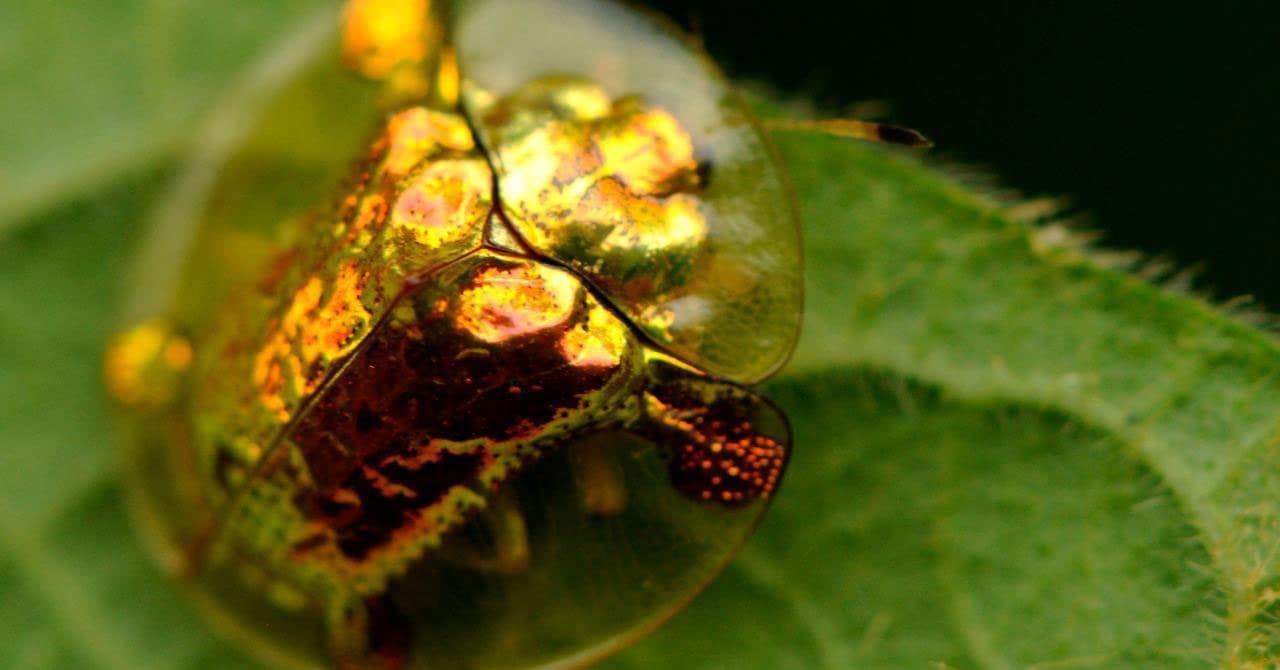
The resurfacing of the Golden Tortoise in 2026 is more than a biological anomaly; it is a symbol of hope for a world often dominated by stories of extinction. This small, glowing reptile has proven that if we protect natural spaces even imperfectly life finds a way.
For content creators, SEO specialists, and Google AdSense publishers, this story represents a “high CPC goldmine” because it combines multiple high-value verticals: science news, conservation, rare animals, travel, and urgent environmental action. The emotional engagement (joy, surprise, urgency) drives clicks, shares, and ad revenue.
In the words of Dr. Vasquez, “The Golden Tortoise is teaching us a lesson: do not write the obituary of a species until you have walked every inch of its forest at midnight.” Now, the real work begins not just to celebrate its return, but to ensure it never has to vanish again.